
Edition 9- The Activate Edge
The inside word on movement, communication, and better living. Stay up to date with the latest in exercise physiology, speech pathology, occupational therapy and health science.

Edition 9- March 2026
Welcome to the eight edition of the Activate Edge!
The team at Activate HQ is excited to connect with our community in a whole new way. Each month the team will look to bring to you in behind closed doors to the world of Allied Health.
This month check out:
Our feature blog on Supporting Emotional Regulation Through Physical
Exercise in Teens with Special Needs
Christmas Party/ Sled Challenge Fundraiser 2025
New Baby Activator
A Client Spotlight with … Susan
Get to know our very own Aislinn
Supporting Emotional Regulation Through Physical Exercise in Teens with Special Needs
Written by Kit Chan, Physiotherapist and Mother of Jonathon who is Autistic and attends Activate twice per week for Exercise Physiology sessions.
Puberty is a period of profound change, especially for teens with special needs. During this time, the brain undergoes significant remodelling and pruning, while hormone levels such as testosterone and estrogen rise. These biological changes contribute to heightened emotional sensitivity, disrupted sleep, and challenges with focus, learning, and self-regulation.
One of the most effective ways to support teens through this transition is through regular\ physical exercise. Exercise is not just sport, it’s any movement that gets the heart pumping and the body “huffing and puffing.” This type of consistent movement triggers a cascade of beneficial hormonal and neurological responses that can support emotional regulation, physical health, and overall wellbeing.
How Exercise Supports the Brain and Emotions
During physical activity, the body releases important chemicals that can help regulate mood and stress:
Endorphins – Reduce anxiety and create a sense of calm and wellbeing.
Dopamine – Boosts motivation, pleasure, and attention.
Serotonin – Supports mood stability and emotional regulation.
Cortisol – Although known as the “stress hormone,” regular exercise helps the body become less reactive to stress, improves cortisol balance, reduces anxiety, and supports better sleep.
BDNF (Brain-Derived Neurotrophic Factor) – Enhances learning, memory, and emotional control by supporting healthy brain connections.
These natural changes can help teens experience fewer emotional meltdowns, improved coping with frustration or sensory overload, and better sleep quality.
Making Exercise Enjoyable and Accessible
Exercise can be any activity that raises the heart rate—walking, cycling, swimming, or structured gym-based exercise. For some teens, especially those with autism, the physical sensations of exertion may initially feel unfamiliar or uncomfortable. With professional support, such as guidance from an exercise physiologist, teens can gradually learn to enjoy the positive sensations and emotional benefits that come during and after exercise.
Why Gym-Based Exercise Works Well
Gym equipment provides stable, predictable physical support, making it easier for teens who require help with motor planning and coordination. This allows them to engage safely in meaningful movement while still gaining the full physical and emotional benefits of exercise.
Exercise, Medications, and Metabolism
Some medications commonly prescribed for teens with special needs can affect metabolism and body weight. Regular physical exercise helps:
• regulate insulin levels
• reduce excess glucose storage
• improve how muscles absorb glucose
These metabolic benefits support healthy weight, stable energy levels, and improved recovery after physical activity.
The Power of a Supportive Exercise Environment
In a supportive setting like Activate, teens receive more than just physical guidance; they experience encouragement, connection, and positive social interaction. The welcoming environment created by experienced exercise physiologists helps teens:
• build confidence
• engage with peers
• practise communication and teamwork
• feel safe, supported, and motivated
These shared experiences enhance emotional wellbeing, social confidence, and overall quality of life.
How We Can Help
If you or someone you know is experiencing similar challenges, support is available. Our team works closely with individuals to provide personalised, evidence-based care that focuses on building confidence, strength, and long-term outcomes.
If you’d like to learn more or think this approach might be helpful, feel free to get in touch with us or speak to one of our clinicians. We’re always happy to have a conversation and point you in the right direction.
About Kit:
Kit Chan is a physiotherapist with over 20 years of clinical experience. She holds a Bachelor of Physiotherapy and a Master of Physiotherapy specialising in Women’s Health and Continence, and is now returning to her specialist practice as a Women’s Health Physiotherapist.
Following her son’s diagnosis of Autism Spectrum Disorder, Kit volunteered and later worked as a physiotherapist at St Paul’s College, a specialist school. In this role, she supported students with diverse needs to access physical activity and exercise within school and community settings, with a focus on participation, confidence, and overall wellbeing.
Kit has a strong interest in the role of exercise for autistic adolescents. Her son has participated in regular, structured exercise with an exercise physiologist since Year 8, and Kit has observed significant improvements in his physical health, mental wellbeing, and emotional regulation. This lived experience, combined with her clinical background and engagement with current research, informs her perspective and the work she shares in this area.
What’s on- Andale School Sled Challenge Fundraiser 2025
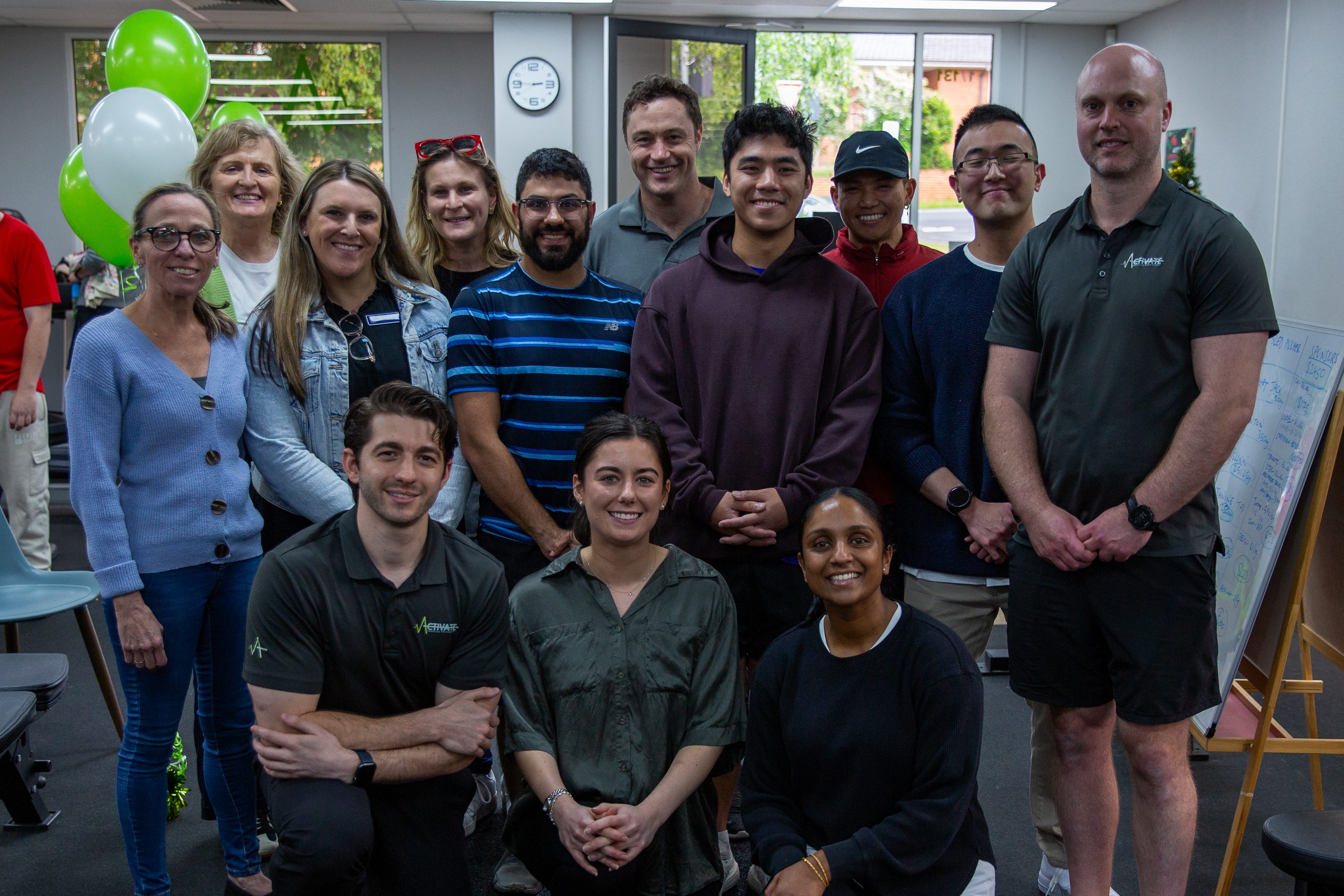
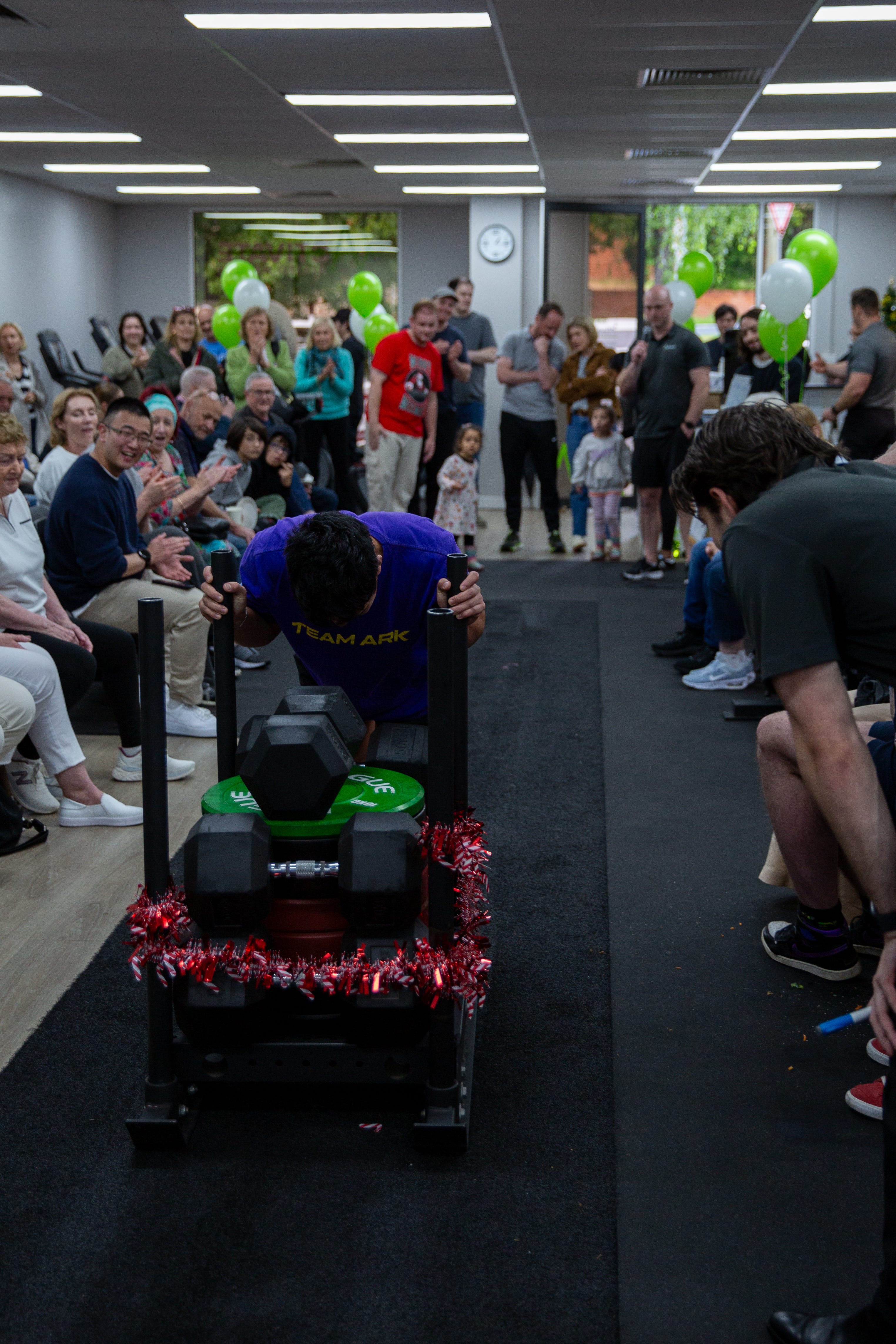
In December, we held our annual Christmas Party and Sled Challenge Fundraiser, a special event dedicated to not only thanking our incredible clients for their ongoing support and celebrating the achievements they’ve worked so hard for throughout the year but also a chance to give back by raising funds for a deserving organisation within our local community.
This event is always one of the highlights of our calendar.
This year, we proudly raised $7,000 for Andale School in Kew, the fourth school we’ve supported through our Sled Challenge fundraising initiative.
To raise money, the team takes on the challenge of pushing the sled, a true test strength! A special mention goes to our staff who generously gave up their own time and energy to participate and contribute to the fundraiser. Their willingness to go the extra mile (quite literally!) embodies the spirit of our team.
Thank you to everyone who donated and supported the initiative. Your contributions help us extend the impact beyond our clinic and into the wider community.
We’re already looking forward to continuing this tradition next year
What’s on- New Baby Activator
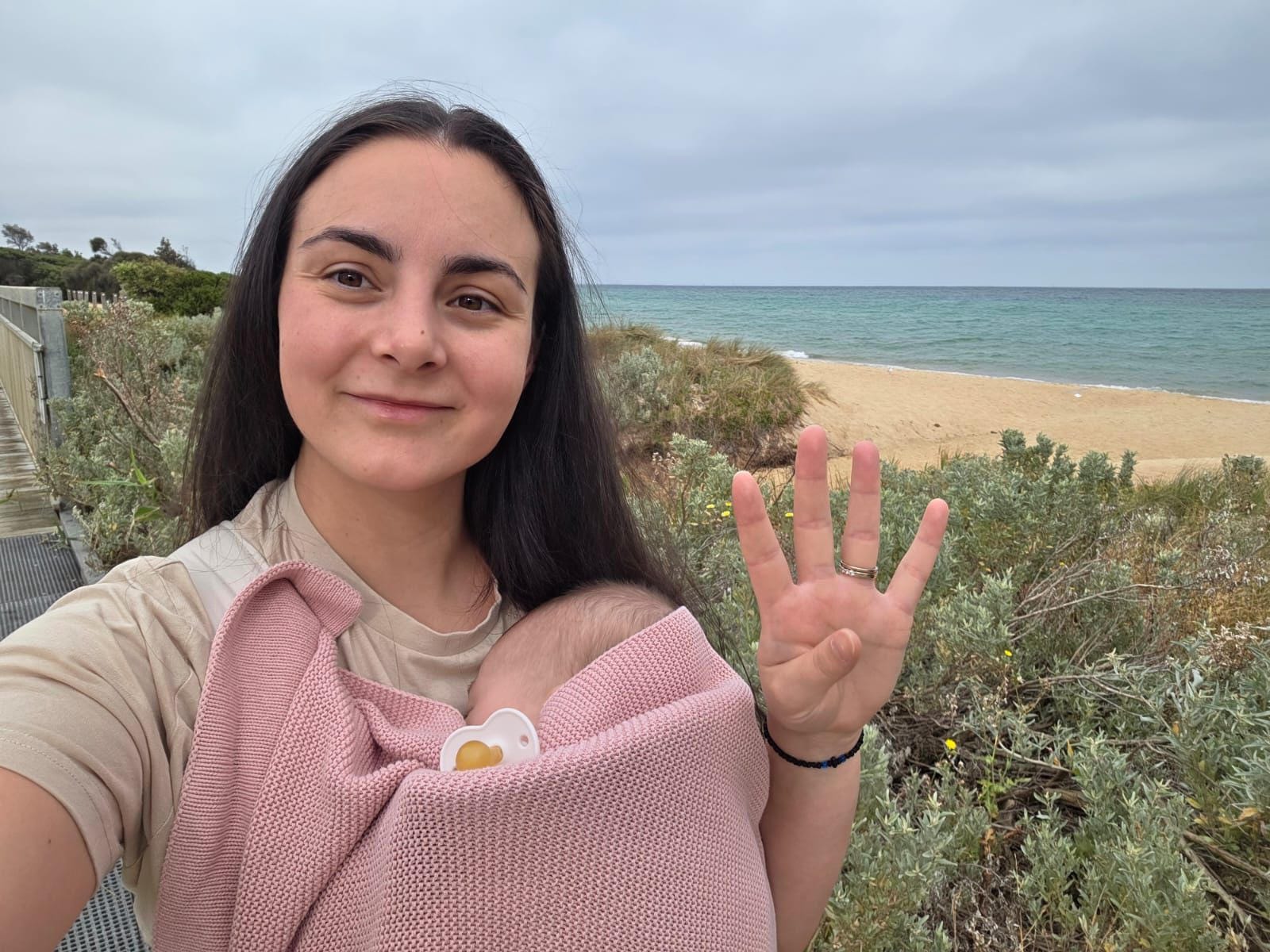
Late last year, Eleni welcomed a beautiful baby girl, Aria, into the world.
While Eleni is currently enjoying time in her new (and very important!) role as Mum, she remains such a valued and foundational part of Activate. As our very first employee, Eleni has played an incredible role in shaping who we are today, helping build our culture, mentoring team members, and setting a consistently high standard of care and professionalism.
We are so thrilled for Eleni and her family as they embrace this exciting new chapter. We have no doubt she is bringing the same warmth, dedication and care to motherhood as she has always brought to our team and clients.
From all of us at Activate, congratulations Eleni.
Client Spotlight - Susan
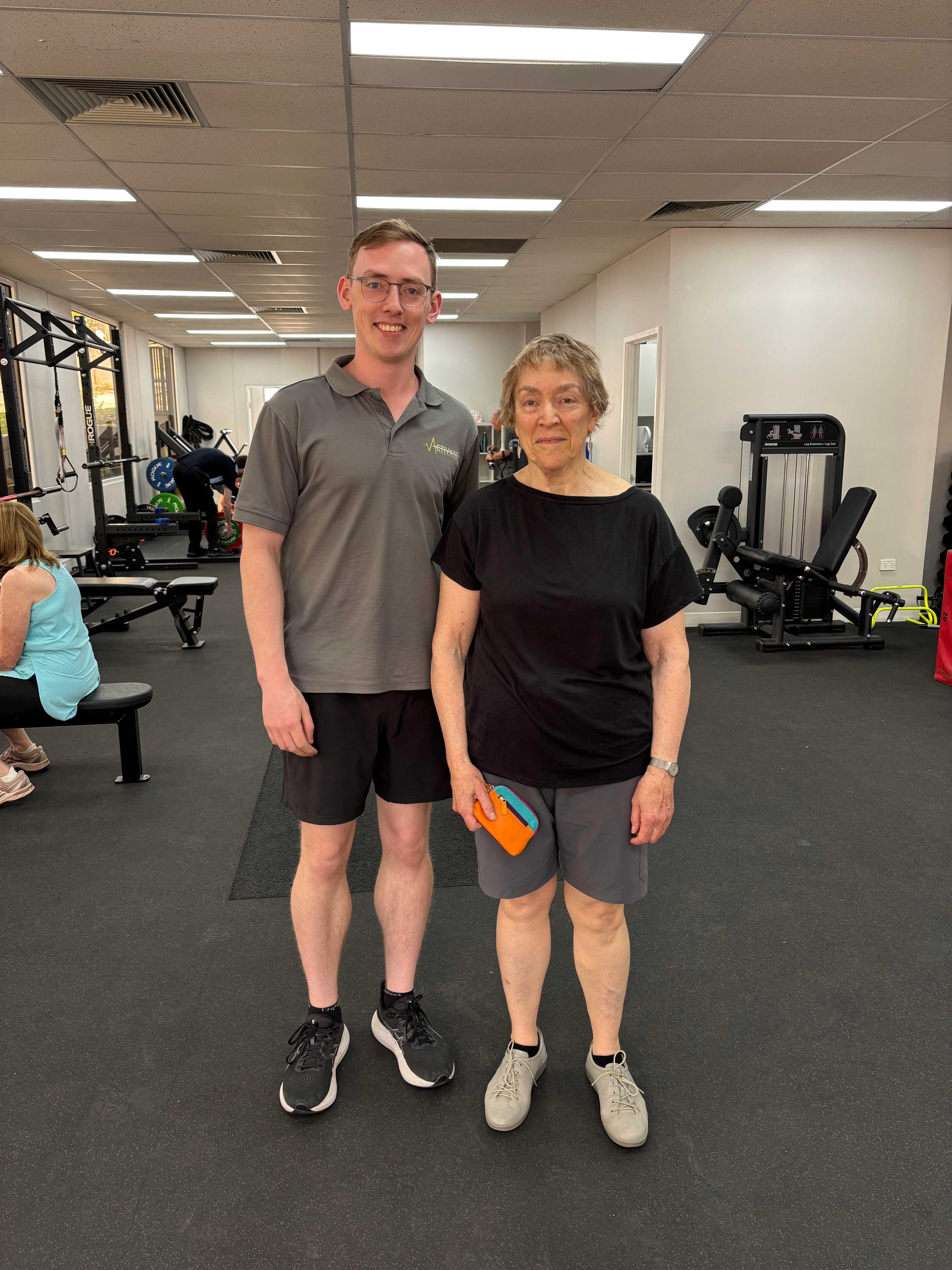
Shout out to one of our clients in our Activate community, Susan. Susan has been training twice a week with our Exercise Physiologist, Angus since December 2025.
Susan began Exercise Physiology with Activate to invest in her long-term health, with a particular focus on improving bone density and taking greater control of her blood pressure. From the outset, she has shown exceptional dedication to her goals and has since taken the initiative to join a local gym to ensure she is achieving gold-standard exercise guidelines.
Over time, Susan has shifted from feeling apprehensive about exercise to genuinely enjoying it - a significant and meaningful lifestyle change. Recently, she lifted more than her body weight (with ease!) which is something she once believed was beyond her capability.
Susan has become a fantastic example of how consistency, motivation, and drive translate into measurable progress. Her hard work has not only improved her physical capacity but also strengthened her independence, enabling her to confidently pursue goals such as solo travel in Europe.
Susan says "It's been great working with Angus. Who knew that lifting weights could be such fun!"
Well done, Susan!
Did you know? 🗣️
Many families are surprised to learn that not all language difficulties are the same. In fact, there are several different reasons a child may be experiencing challenges with language and identifying the right one is essential before beginning therapy.That’s why, at Activate, we prioritise comprehensive assessment before recommending intervention. Rather than moving straight into sessions, our Speech Pathologists take the time to understand the full picture. This includes gathering:
developmental history,
listening carefully to caregiver concerns,
completing standardised assessments where appropriate, and
observing how a child communicates in everyday situations.
This thorough process ensures we are targeting the underlying cause, not just the symptoms. This leads to more meaningful therapy and stronger progress over time.
Broadly, language difficulties may fall into three categories.
Some children present with Developmental Language Disorder (DLD), where language challenges persist without another known explanation.
Others may have a Language Disorder associated with a biomedical condition, such as autism, cerebral palsy, or acquired brain injury.
In some cases, a child may have a Language Difference, meaning they are developing language typically in their first language but require support as they learn English.
Accurate identification matters. When we understand why a child is experiencing difficulty, we can tailor intervention appropriately, setting them up for better outcomes, greater confidence, and long-term success in their communication.
Get to know… Aislinn!
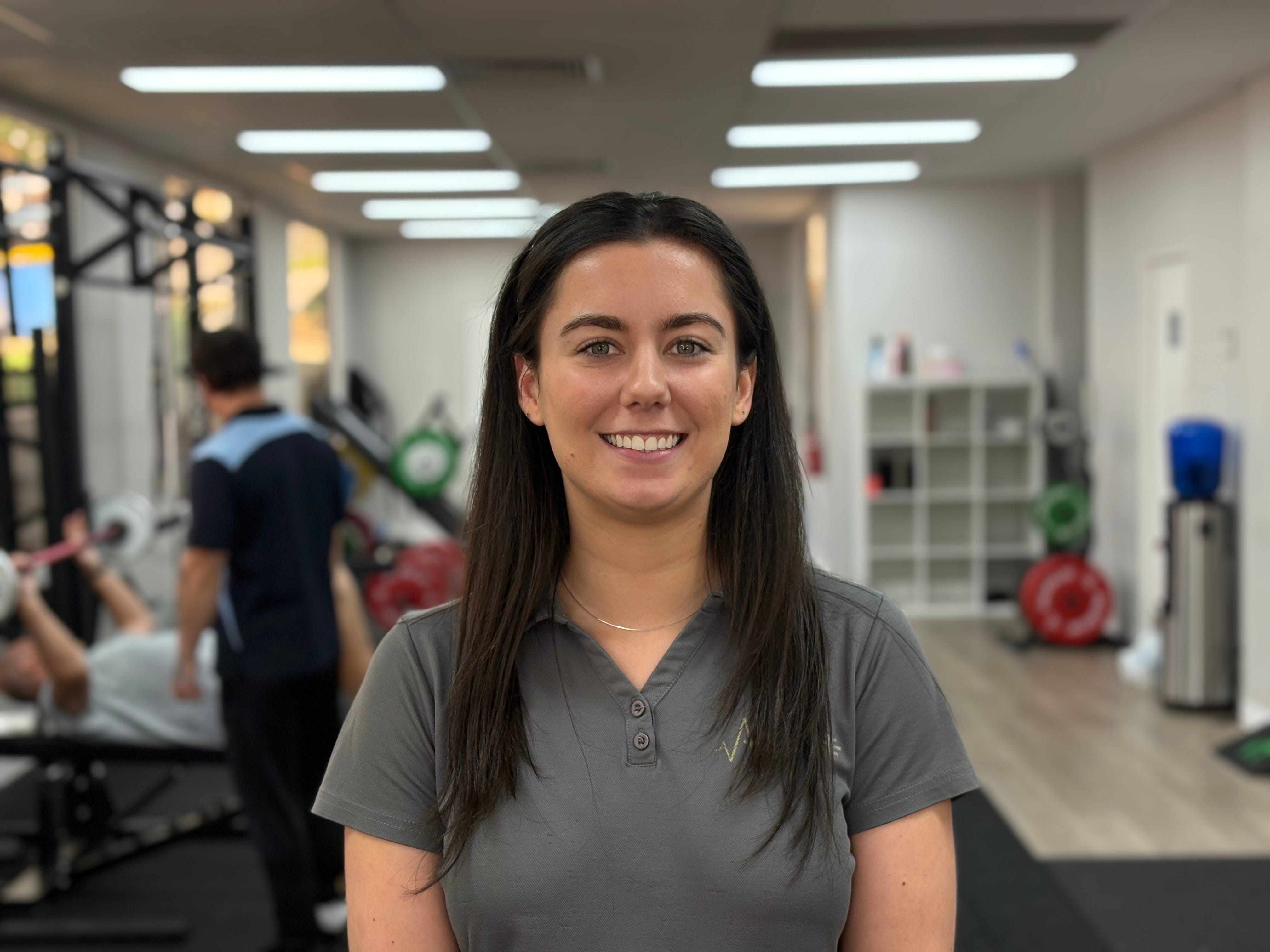
Aislinn is an Accredited Exercise Physiologist at Activate who brings an enthusiastic and encouraging approach to her work. She graduated with a Master’s in Clinical Exercise Physiology from Deakin University and is passionate about using exercise in the management of a wide range of health conditions. Aislinn has a particular interest in working with individuals with neurological conditions, especially Parkinson’s Disease, and is committed to helping her clients improve their functional capacity and overall quality of life.
Aislinn creates positive and motivating environments where clients feel supported to build long-lasting exercise habits. She delivers individualised and enjoyable sessions designed to help clients achieve meaningful goals.
Things you might not know about Aislinn!
Aislinn loves watching The Office and recently enjoyed watching House of Guinness (but still doesn’t like the drink)
Aislinn’s favourite food is Spicy Prawn or Salmon Sushi and cannot function without an Iced Coffee
Aislinn loves hanging out with her housemates and cooking for them, swimming and meditating in the mornings.
The Knowledge Hub
5 min guide to what we are learning about this month (click the Link below to read more):
Thanks for reading Activate Allied Health's Newsletter - We would love your feedback or thoughts!