
Edition 8- The Activate Edge
The inside word on movement, communication, and better living. Stay up to date with the latest in exercise physiology, speech pathology, occupational therapy and health science.

Edition 8- November 2025
Welcome to the eight edition of the Activate Edge!
The team at Activate HQ is excited to connect with our community in a whole new way. Each month the team will look to bring to you in behind closed doors to the world of Allied Health.
This month check out:
Our feature blog on Sciatica
An update on the 2024 Sled Challenge Fundraiser
Christmas Party/ Sled Challenge Fundraiser 2025
A Client Spotlight with … Peter
Get to know our very own Irene
As always we would love your feedback and want to here more from you.
Understanding Sciatica: What It Is, What It Isn’t, and How It’s Treated
“Sciatica” is one of the most commonly misused labels in back-pain conversations. Many people assume that any pain in the leg coming from the back must be sciatica, but that’s simply not true. Real sciatica is much less common than most people believe, accounting for only 5–10% of all low-back-pain cases. That means 90–95% of people with back pain do not have sciatica.
This article breaks down what sciatica actually is, how to recognise it, what causes it, and what current research says about treatment and exercise.
What Sciatica Really Is
Sciatica refers to pain caused by irritation or compression of the spinal nerves, typically starting in the lower back and travelling down the leg. It can involve a mix of sensory and motor symptoms.
Common sensory symptoms:
Numbness
Pins and needles
A sharp, localised shooting or burning pain
Common motor symptoms:
Reduced leg strength
Difficulty controlling movement
Altered posture or gait
These symptoms occur because the irritated nerve affects both how the leg feels and how it functions.
Common Misconceptions About Sciatica
Around two-thirds of people with low-back pain also report leg pain, and many assume that any leg symptom equals sciatica. However, most leg pain from the back is non-specific and does not follow a nerve pathway.
A key hallmark of true sciatica:
Pain that travels below the knee, following a predictable nerve distribution.
However, not all sciatica travels below the knee, another important indicator is that the leg pain is typically worse than the back pain when a nerve root is involved.
Why Sciatica Often Flares With Coughing or Sneezing
Coughing, sneezing, or straining increases intra-abdominal pressure, which can momentarily irritate an already affected nerve root, intensifying pain.
Where the Pain Comes From
Sciatica can originate from different lumbar spinal levels—most commonly L4–L5 or L5–S1. Each level affects a different nerve root, producing different patterns of pain, numbness, or weakness down the leg and sometimes into the foot.
The Most Common Cause: Lumbar Disc Herniation
After ruling out other conditions, about 85% of sciatica cases involve a herniated disc pressing on a nerve root.
Clinicians often use the straight-leg-raise test as part of assessment. A positive “crossed” straight-leg-raise test (pain in the affected leg when the opposite leg is lifted) is highly specific for nerve-root compression.
Most Sciatica Improves Naturally
The natural course is overwhelmingly positive:
87% of people improve within 3 months without surgery
Motor function often recovers
Sensory changes (e.g., numbness) may take longer but usually improve over time
First-line conservative treatment usually includes:
Anti- inflammatory or other pain-relief strategies
Guided mobility and strengthening exercise
Avoiding prolonged bed rest and maintaining gentle activity
Epidural injections may help short-term pain but don’t change long-term outcomes.
A healthcare professional should always guide care to ensure symptoms are managed safely.
When Should You Get an MRI or CT Scan?
Imaging is not recommended early, because many pain-free people have disc bulges.
MRI or CT is considered when:
There are severe or worsening neurological symptoms
“Red flag” signs suggest infection or tumour
Symptoms persist beyond 4–6 weeks and the patient may be a candidate for injections or surgery
What About Surgery?
Surgery may be appropriate when:
MRI findings match the symptoms
Pain persists despite 6+ weeks of conservative therapy
The person prefers the option of faster relief
Most research shows:
Surgery offers quicker relief,
But after 1 year, outcomes are similar whether you had surgery early or stuck with conservative treatment.
Repeat surgery rates are around 6% after 1 year, 13% after 4 years.
What Exercises Help With Sciatica?
The most effective exercises for sciatica are highly individualised.
Because each person experiences different symptoms, different aggravators, and different levels of nerve sensitivity, what works for one person may not work for another. This is why guided care from a trained professional is invaluable.
A good starting point:
Begin with movements that don’t irritate the nerve but still encourage gentle mobility and load through the spine. These include:
Side bends
Trunk rotations
Glute bridges
Leg swings
Walking
These exercises apply load away from the irritated nerve root, reducing mechanical tension while still promoting healthy movement and mild loading through the spine. Over time, the goal is to gradually build tolerance and restore strength and flexibility without provoking symptoms.
As symptoms settle, exercises can be progressed to include more direct loading, strength work, always tailored to the individual.
Final Thoughts
Sciatica is a specific type of nerve-related leg pain, not just any leg pain that accompanies a sore back. Although it can be intense and limiting, most cases improve significantly with conservative management, movement, and time.
Understanding the signs, causes, and treatment options helps you navigate the condition confidently and choose the right path forward.
What’s on- Bulleen Heights Sled Challenge Fundraiser 2024
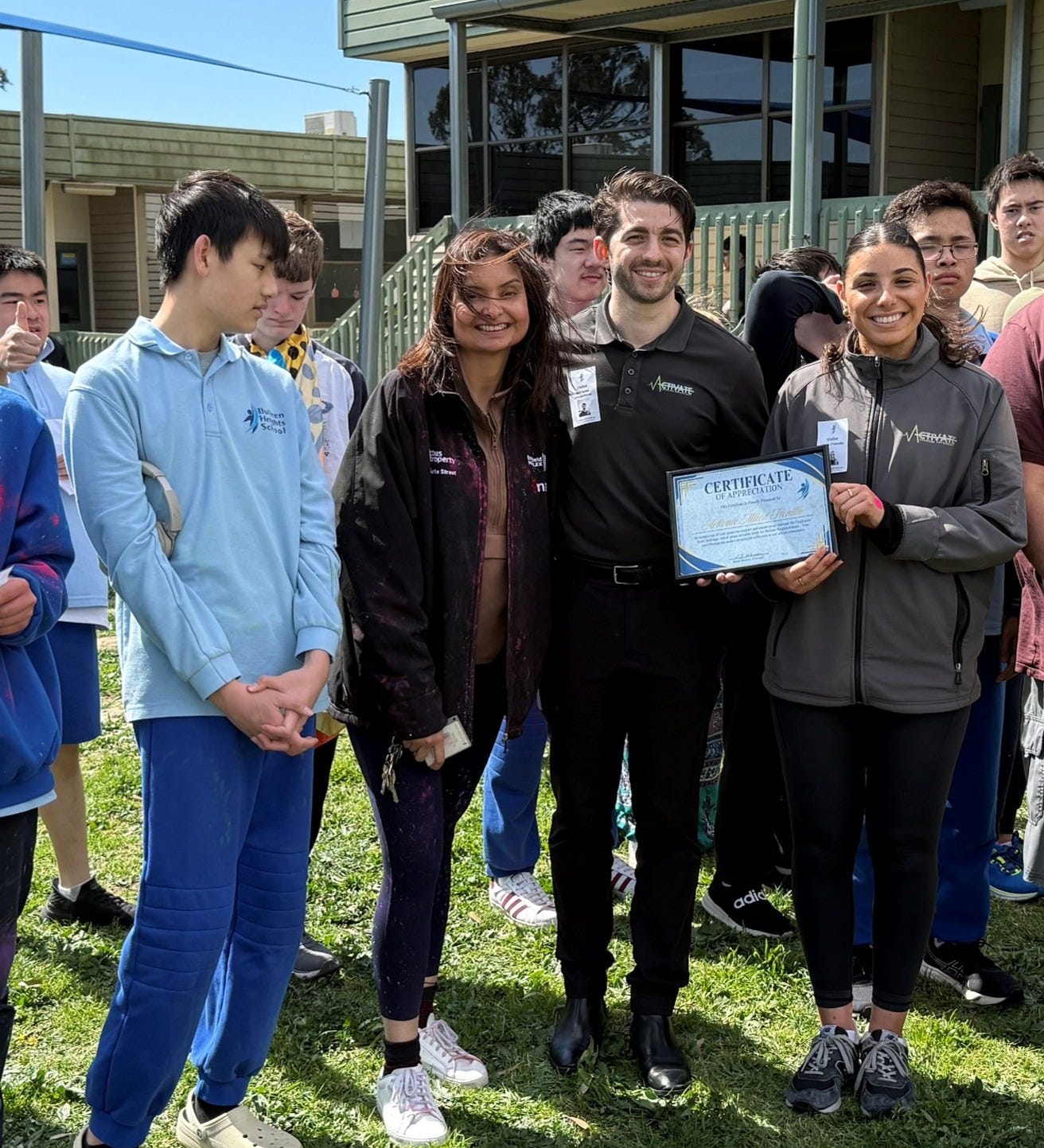
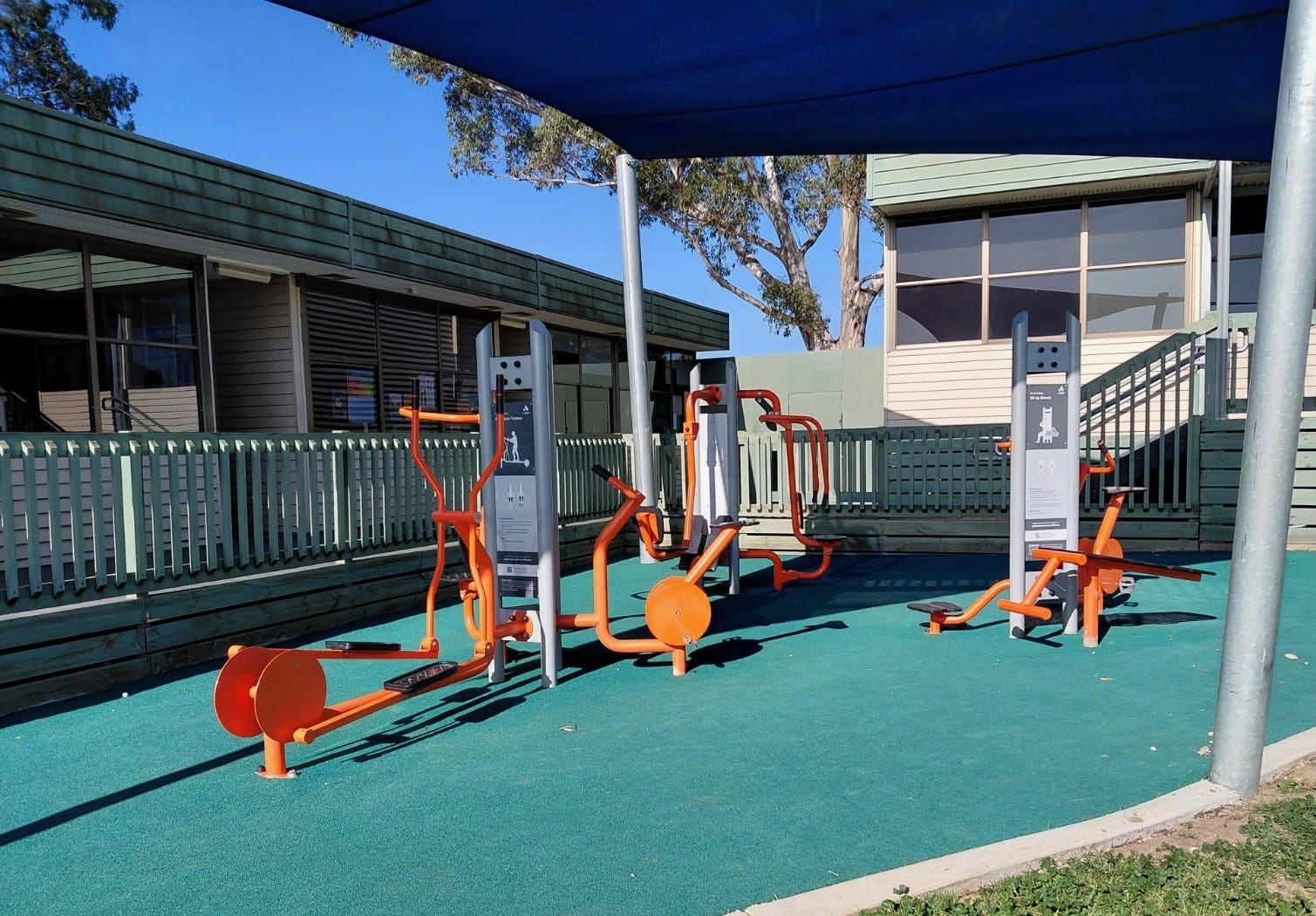
Recently, we were invited to attend the Bulleen Heights Colour Fun Run, a wonderful celebration where the school thanked us for our 2024 fundraising efforts.
Thanks to the funds raised, they have been able to install new playground equipment and rubber flooring, helping students stay active and engaged during recess and lunch! 🎉
We were made to feel so welcome by the students, with school captains Costas and Dylan giving heartfelt speeches about how the fundraising has positively impacted their school community.
This thank you extends to every one of YOU in our Activate community, whose generosity made this possible. 👏 Your donations are making a real difference in your community for people who need it the most!
As we near the end of another fantastic year, we are excited to announce that our Annual Christmas Party and Fundraiser will be returning soon.
A huge thank you once again to our incredible Activate community for your ongoing support and kindness. 💚
What’s on- Activate Christmas Party/ Sled Challenge Fundraiser 2025
Just like that, we are closing in on the end of another year - time has flown!
Thank you for your support during 2025 and for your dedication and commitment to achieve your health goals 👏
To celebrate another wonderful year, we would like to invite you to attend our Christmas party and annual fundraiser, on Saturday the 6th of December from 12-4pm!
This year, we will be fundraising for Andale School!
Andale School in Kew provides an empowering learning environment for children who experience language and learning challenges. With small class sizes, highly skilled staff and integrated specialist support, Andale is unique in the Melbourne education landscape.
We are hoping to raise funds to enable them to purchase some new resources and equipment, to better support their students in need.
🚨TO DONATE:
We are accepting:
Cash donations
Donations via bank transfer (details on poster below)
Donations via the QR code on the poster below
*a receipt will be provided for all donations upon request
Alternatively, you can sponsor an Activate staff member based on how many kg they can push on the sled! Thank you in advance for your generosity.
Please see below the invitation for the day. The fundraising component will run for the first 1 hour, while the remainder of the party will allow us to celebrate another great year. Drinks and nibbles will be provided; we hope to see you there! 🎉

Client Spotlight - Peter
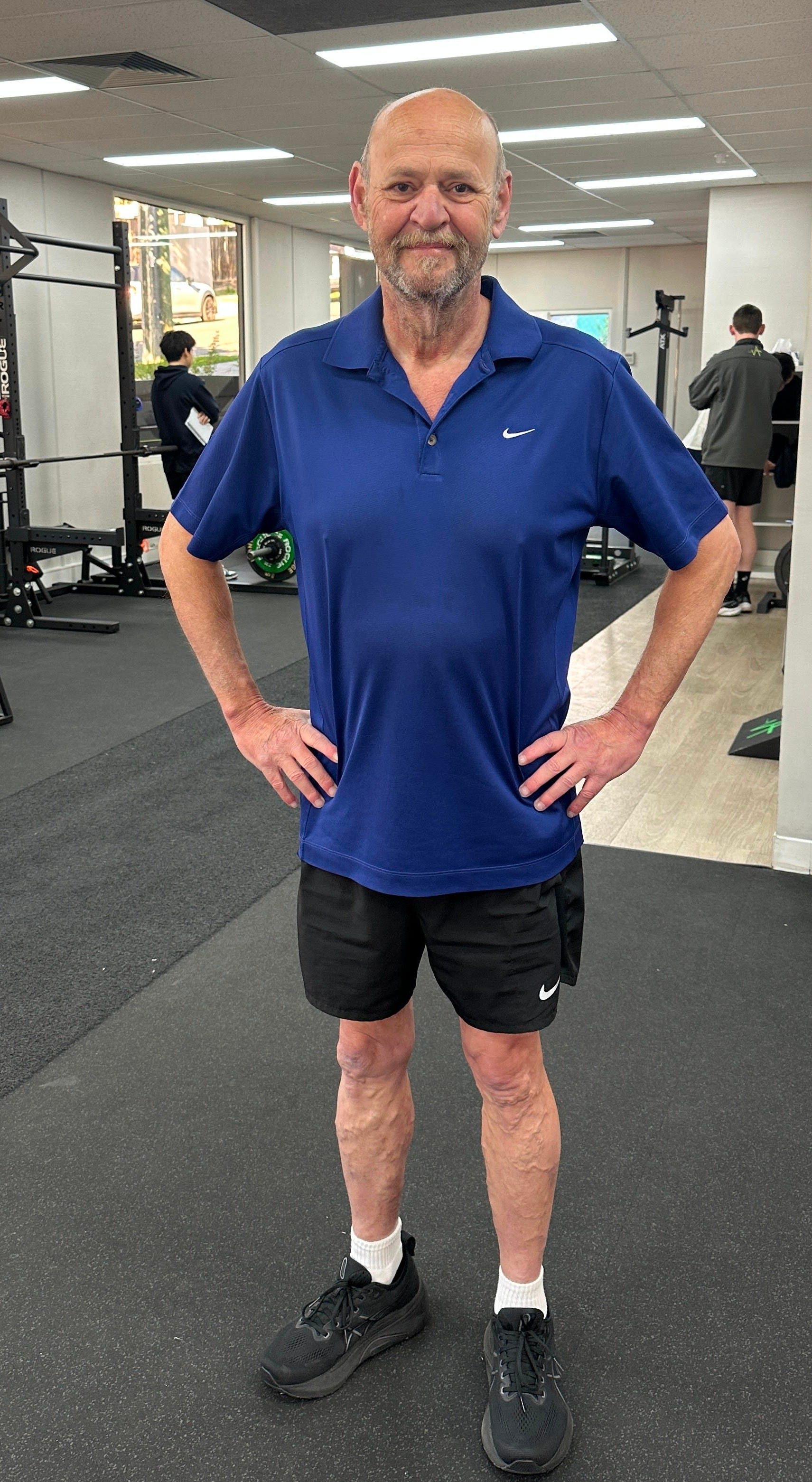
Shout out to one of our clients in our Activate community, Peter. Peter has been training twice a week with Exercise Physiologist Anthony since the May of 2023.
Peter has an extensive medical history that spans further than almost anyone you know, including 2 heart attacks, various metabolic conditions and more injuries than you can count on both hands. Despite this, Peter had decided to make a positive change in his life. From not being able to do push ups on his knees, to now doing clap push ups, running multiple times a week, and feeling the best he’s felt in an extremely long time, all possible due to his incredible dedication and consistency.
Peter is a familiar face around the community, coming in multiple times a week, always smiling, making conversation and cracking jokes, sometimes at the expense of his lovely wife Evelyn.
Peter is the definition of a harder worker, and is an inspiration to us all, proving that age and an extensive medical history are no barriers to achieving great physical health.
Did you know? 🗣️
More than 500,000 children in Australia experience speech or language difficulties.
And around 1 in 5 kids begin school with challenges in communication.There are many reasons a child may experience speech or language delays, including:
👶 Genetic or developmental factors – such as family history, hearing loss, neurological conditions, or cleft lip/palate
👂 Hearing issues – including repeated ear infections
🌏 Environmental influences – like limited chances for conversation or interaction in early yearsHow parents can support their child’s communication:
✅ Chat, play, and sing together as part of everyday routines
✅ Read aloud daily—even simple picture books help build language
✅ Narrate what you’re doing (“I’m cutting the fruit… now we put it in the bowl!”)
✅ Make sure your child’s hearing is regularly checked
✅ Seek advice from a Speech Pathologist early—early intervention can make a big difference!
Get to know… Irene!
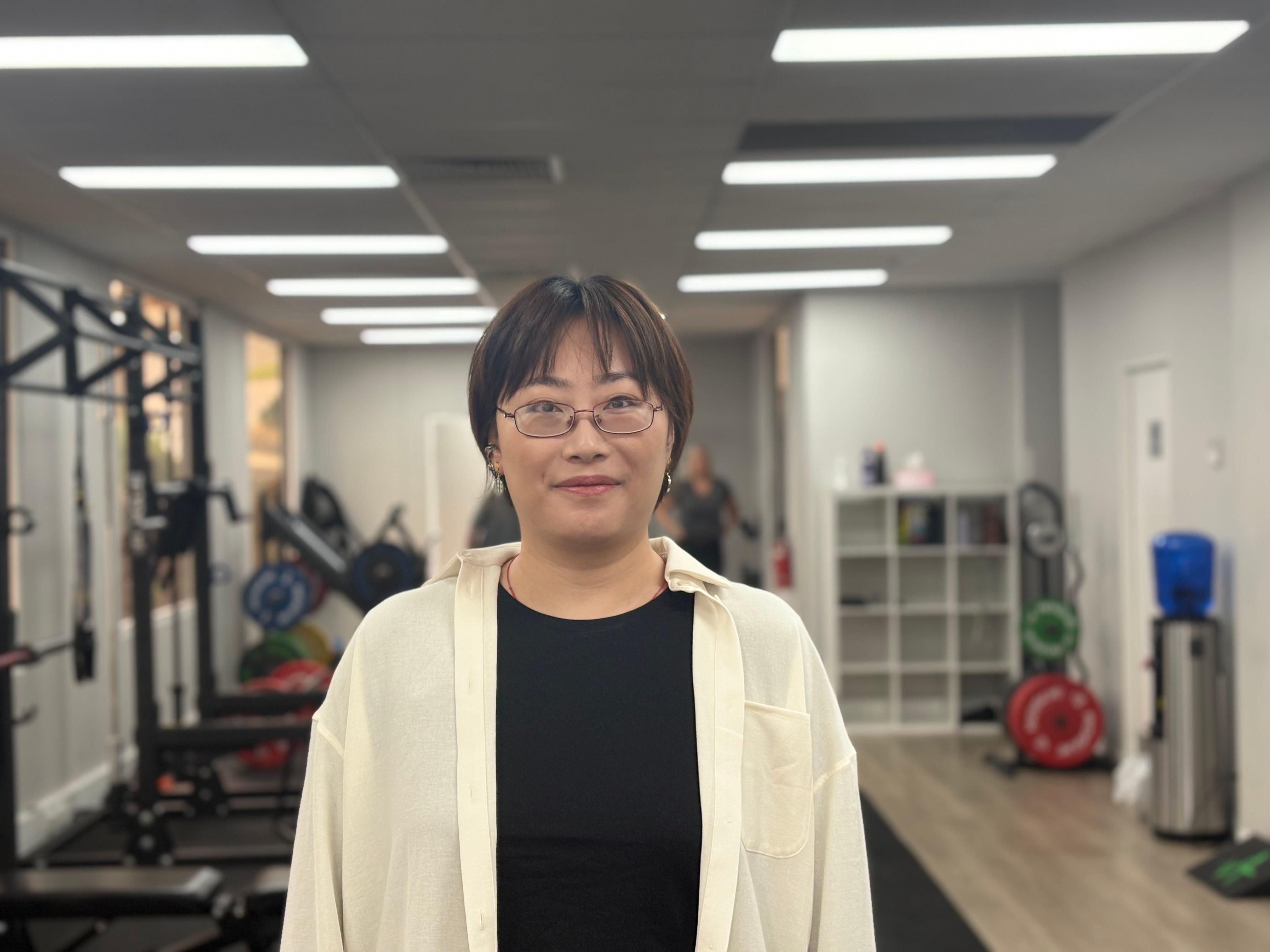
Irene is a Speech Pathologist at Activate who brings a culturally inclusive, client-centred approach to her practice. Passionate about supporting bilingual clients, Irene has a particular interest in working with Mandarin-speaking individuals and their families.
Irene graduated with a Masters of Speech Pathology from Flinders University and has experience in a range of Speech Pathology settings including the Department of Education and community based practices and schools.
Things you might not know about Irene!
Irene loves watching Detective Mysteries with her favourites being anything by Agatha Christie
Irene’s favourite food is Vietnamese Pho
Irene loves playing her Nintendo Switch with her favourite game being The Witcher 3: Wild Hunt
The Knowledge Hub
5 min guide to what we are learning about this month (click the Link below to read more):
1 in 4 children starting school developmentally behind
Thanks for reading Activate Allied Health's Newsletter - We would love your feedback or thoughts!