
Edition 7- The Activate Edge
The inside word on movement, communication, and better living. Stay up to date with the latest in exercise physiology, speech pathology, occupational therapy and health science.

Edition 7- September 2025
Welcome to the seventh edition of the Activate Edge!
The team at Activate HQ is excited to connect with our community in a whole new way. Each month the team will look to bring to you in behind closed doors to the world of Allied Health.
This month check out:
Our feature blog on Knee Osteoarthritis
An update on VALD at Activate
A Client Spotlight with … Jeanette
Get to know our very own Liv W
As always we would love your feedback and want to here more from you.
The 3 Best Exercises for Knee Osteoarthritis
Knee osteoarthritis (OA) affects millions worldwide, leading to pain, stiffness, and reduced quality of life. But here's the good news: exercise is one of the most effective non-pharmacological treatments for managing knee OA. In fact, recent research confirms that regular movement not only eases pain but also improves strength and daily function. So, which exercises offer the best results?
Let’s break down the top 3 exercises you should be doing to manage knee osteoarthritis.
1. Aerobic Exercise
Aerobic exercise helps improve cardiovascular health, maintain a healthy weight, and reduce systemic inflammation, all of which can help manage OA symptoms.
Recommendations:
150 minutes of moderate or 75 minutes of vigorous aerobic activity per week is recommended**.
Benefits include reduced joint pain and stiffness and improved endurance.
Best options for knee OA:
Brisk walking
Swimming
Cycling (stationary or outdoors)
**Note: This is a general recommendation. While research hasn’t determined the exact amount of aerobic exercise required specifically for osteoarthritis, any amount can offer benefits. However, to support overall health and well-being, which can positively impact OA, the recommended guidelines remain a helpful target.
2. Resistance Training
Strengthening the muscles around the knee, especially the quadriceps and glutes can reduce joint pain.
Recommendations:
Resistance training programs lasting 5 weeks or more produce moderate improvements in pain, strength, and function.
Interventions under 4 weeks are generally ineffective.
Surprisingly, total exercise volume or adherence levels are not strongly associated with better outcomes. This means doing some training consistently over time matters more than hitting perfection.
Strength exercises for knee OA:
Sit-to-stands or chair squats
Step-ups
Leg extensions
3. Functional Exercises
Functional exercises are movements that closely mimic the activities you perform in daily life or during recreational tasks. Functional exercises can improve your ability to carry out everyday movements like walking, standing, climbing stairs, or getting out of a chair, key areas affected by knee osteoarthritis.
What the research says:
Moderate benefits for physical function in daily activities (ADL) and sport-specific function after 3–6 months of exercise
Resistance training improves functional outcomes, especially when programs are at least 5 weeks long.
These findings highlight the importance of exercises that mimic real-life movements and support daily independence.
Functional exercises can include:
Breaking down an activity you find difficult into smaller movements
Doing the movement you find painful but with supports, different ranges of motion or for less repetitions
Walking drills and controlled lunges
Focusing on these movements can improve strength and functional capacity, helping you move better and more confidently in daily life.
What the Science Says Overall
A recent meta-analysis of over 280 studies showed:
Moderate benefits for pain and physical function from 3 to 6-month resistance training programs.
Longer interventions (up to 12 months) had additional functional gains.
No clear link between total exercise dose or adherence and outcome, so the key is to just get started and stay consistent.
🏁 Final Thoughts
Managing knee osteoarthritis doesn’t require extreme workouts, it requires smart, consistent, and purposeful movement. Focus on aerobic activity, resistance training, and functional exercises to see the biggest improvements in pain and daily function. Symptoms from knee osteoarthritis will present differently in each individual person which is why it is important to have a personalised, tailored exercise program.
If you're not sure where to begin, speak with an exercise physiologist to build a safe, effective plan tailored to you.
Need help getting started? Reach out to our team for personalised support in managing osteoarthritis through movement.
What’s on - Introducing VALD Technology
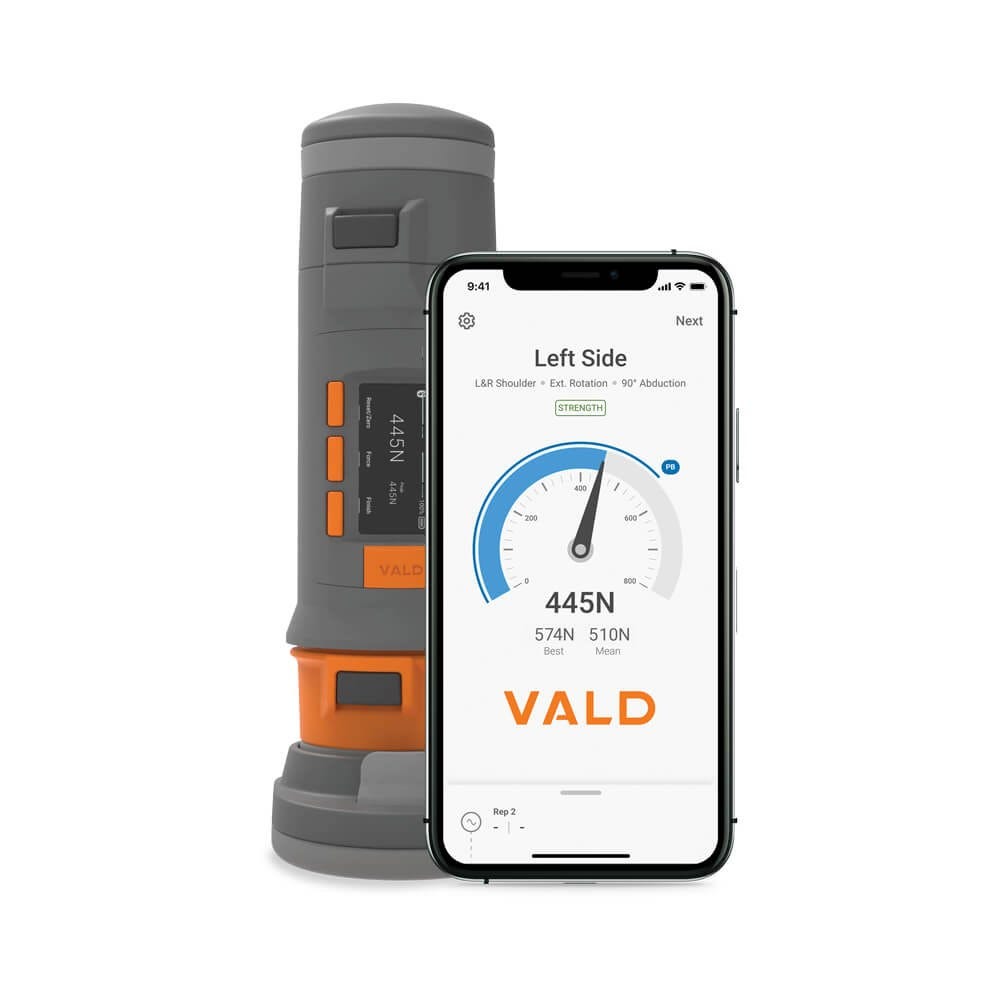
We are pleased to share that our clinic has introduced VALD technology to support your care.
VALD is a system that allows us to accurately measure strength, balance, and movement. These measurements help us:
Identify areas that may need more support,
Track your progress with clear, objective data, and
Tailor your program to your individual needs.
This means we can move beyond observation alone and provide you with precise information about how your body is functioning and improving over time.
At your next appointment, your practitioner may discuss whether VALD testing would be useful as part of your care plan.
Client Spotlight - Jeanette
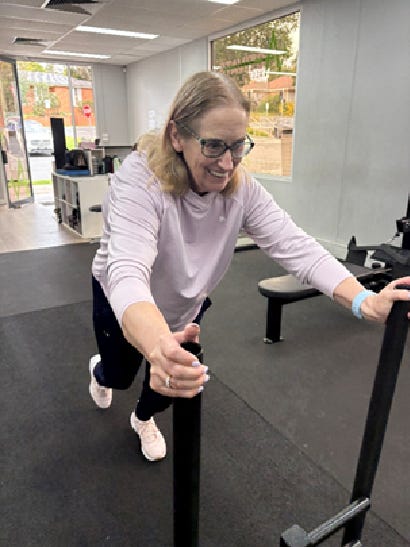
Shout out to one of our clients in our Activate community, Jeanette. Jeanette has been training twice a week with Exercise Physiologist Aislinn since the start of 2024.
Coming in with an extensive medical history including numerous orthopaedic surgeries, Jeanette began her journey at Activate to help manage and improve her chronic pain and mobility for day-to-day activities. Through her commitment to sessions, Jeanette has improved her physical capacity, reduced her overall pain, and has improved her health outcomes for longevity.
Jeanette has become a familiar face within the community, and has built great relationships with other staff and clients! Jeanette loves talking anything footy related during sessions, barracking hard for Carlton. When not watching any current or past footy matches, Jeanette enjoys cooking desserts, knitting for others and creating mosaics with her friends.
You always put a smile on our faces Jeanette, and we are so lucky to have you part of our community! Keep it up – we love having you!
Did you know - Interoception is considered our 7th sensory system. It is an internal sensory system in which the physical and emotional states of a person are consciously or unconsciously noticed, recognised and responded to. For example: a person notices their stomach is rumbling and they have a pulling sensation in their abdomen. they recognise this as signalling hunger
Regardless of age, the development of interoception can slow down or even stop for autistic people. It is not known why this happens, although it may be due to a self-protection mechanism associated with trauma. Many autistic people experience trauma, and this may halt or lower their interoceptive awareness (National Autistic Society).
Early intervention allows Speech Pathologists and Occupational Therapists to provide specialised support to children who require further support in areas like understanding feedback from sensory organs, regulation strategies or mindful body awareness.
Get to know… Olivia W!
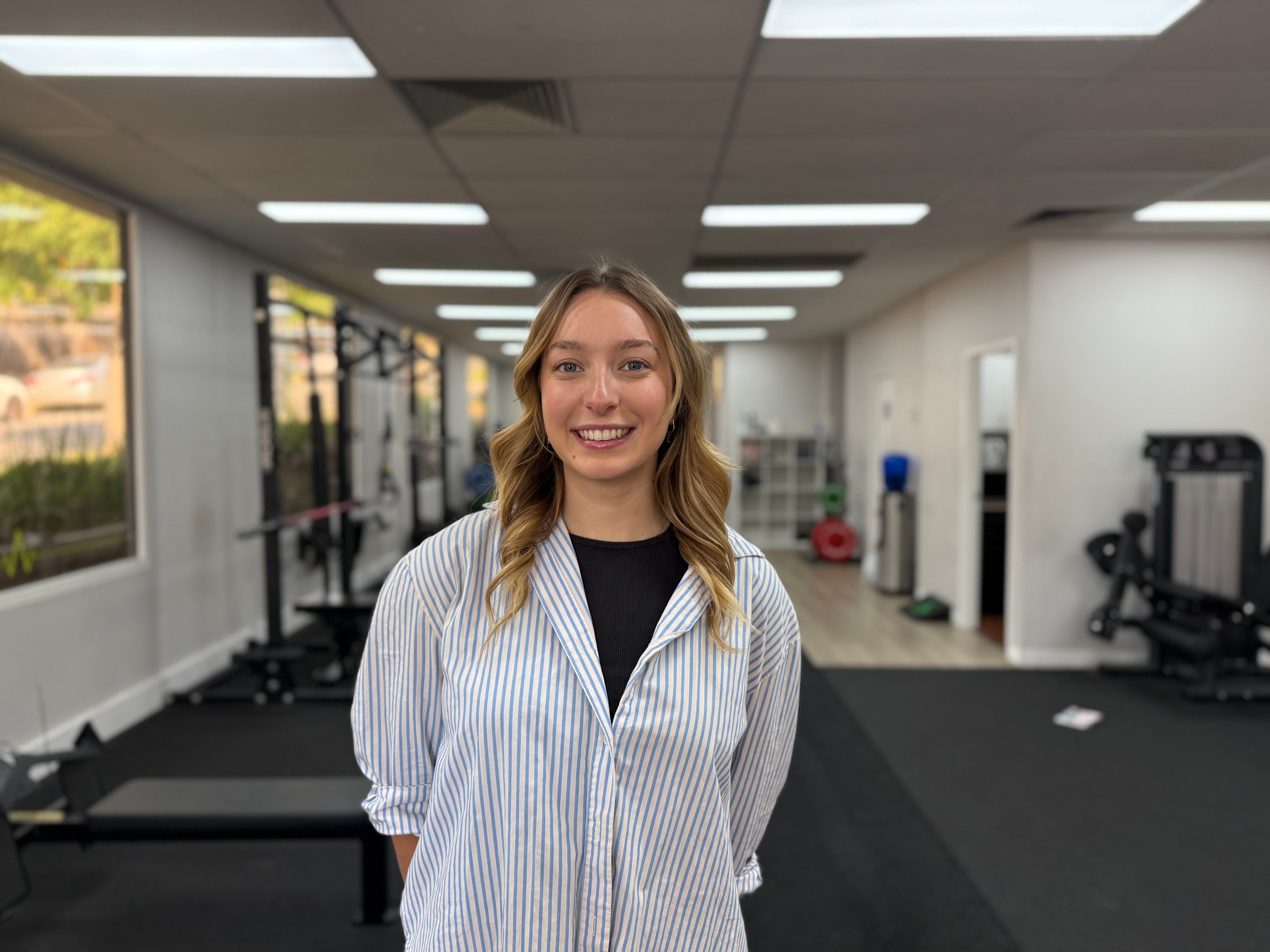
Olivia is a Speech Pathologist at Activate who brings a compassionate, client-centred approach to her practice.
Olivia graduated with a Masters of Speech Pathology from the Latrobe University and has experience in a range of Speech Pathology settings including a variety of clinical settings, community paediatric clinics, rehabilitation hospitals, and primary schools.
Things you might not know about Olivia!
Olivia loves watching Dallas Cowboys Cheerleaders on Netflix and The Summer I Turned Pretty
Olivia’s favourite food is a cooked tuna with ginger and soy sauce sushi handroll
Olivia loves playing social basketball for the SoleMates, even though it can get a bit physical, it’s still fun.
The Knowledge Hub
5 min guide to what we are learning about this month (click the picture below to read more):
Thanks for reading Activate Allied Health's Newsletter - We would love your feedback or thoughts!