
Edition 6- The Activate Edge
The inside word on movement, communication, and better living. Stay up to date with the latest in exercise physiology, speech pathology, occupational therapy and health science.

Edition 6 - June 2025
Welcome to the sixth edition of the Activate Edge!
The team at Activate HQ is excited to connect with our community in a whole new way. Each month the team will look to bring to you in behind closed doors to the world of Allied Health.
This month check out:
Our feature blog on Type 2 Diabetes
New Occupational Therapist at Activate
An update on the MS Walk, Run + Roll
A Client Spotlight with … Bill!
Get to know our very own Sam!
As always we would love your feedback and want to here more from you.
Why Exercise Is Essential in Preventing and Managing Type 2 Diabetes
Type 2 Diabetes is a chronic condition that occurs when the body becomes resistant to insulin or fails to produce enough insulin, leading to elevated blood glucose (sugar) levels. High blood sugar levels can be dangerous for your body and even cause long term damage to your organs. It is largely preventable and manageable through lifestyle modifications, with physical activity playing a central role.
The Power of Movement: What the Research Says
Strong evidence from studies shows that regular physical activity significantly lowers the risk of developing type 2 diabetes. The landmark Diabetes Prevention Program (DPP) study found that lifestyle changes involving diet and exercise reduced the incidence of type 2 diabetes by 58 percent in high-risk individuals. Lifestyle changes outperformed medication like metformin by 27 percent.
Furthermore physical activity can:
· improve insulin sensitivity,
· regulate blood glucose levels,
· support weight management, and
· enhance cardiovascular health.
These benefits are achieved even in the absence of significant weight loss, highlighting the independent power of exercise.
How Much and What Kind?
The Exercise and Sports Science Australia position statement outlines clear recommendations for adults:
Aerobic exercise: At least 150 minutes per week of moderate intensity (like brisk walking or cycling), or 75 minutes of vigorous intensity.
Resistance training: Two to three sessions per week, targeting all major muscle groups.
A combination of both aerobic and resistance training yields the best outcomes.
Supervised exercise, especially when guided by an Accredited Exercise Physiologist (AEP), is particularly effective. These sessions can be tailored to each individual's health status, preferences, and any coexisting conditions.
What can I do now?
If you have Type 2 Diabetes or think you are at risk of developing it any form of movement above what you are currently doing will help. A daily 10min walk is an achievable starting point for most people. For people who are a bit more advanced trying resistance based exercises such as sitting and standing from a chair or doing push ups against the wall are a good entry point.
Sustainable change requires more than good intentions. Behaviour change strategies such as goal setting, self-monitoring, and patient education are crucial. Regular follow-ups and a supportive environment significantly improve adherence and long-term success. Referral to an AEP for structured, evidence-based support is highly recommended.
Final Thoughts
Exercise is not just a helpful add-on, it is an essential, evidence-backed tool in both the prevention and treatment of type 2 diabetes. Whether you’re at risk or managing the condition, moving more and moving often can transform your health outcomes and quality of life. Health professionals should make exercise a standard part of diabetes care, just like medication and nutrition.
What’s on - Occupational Therapy Now Available at Activate
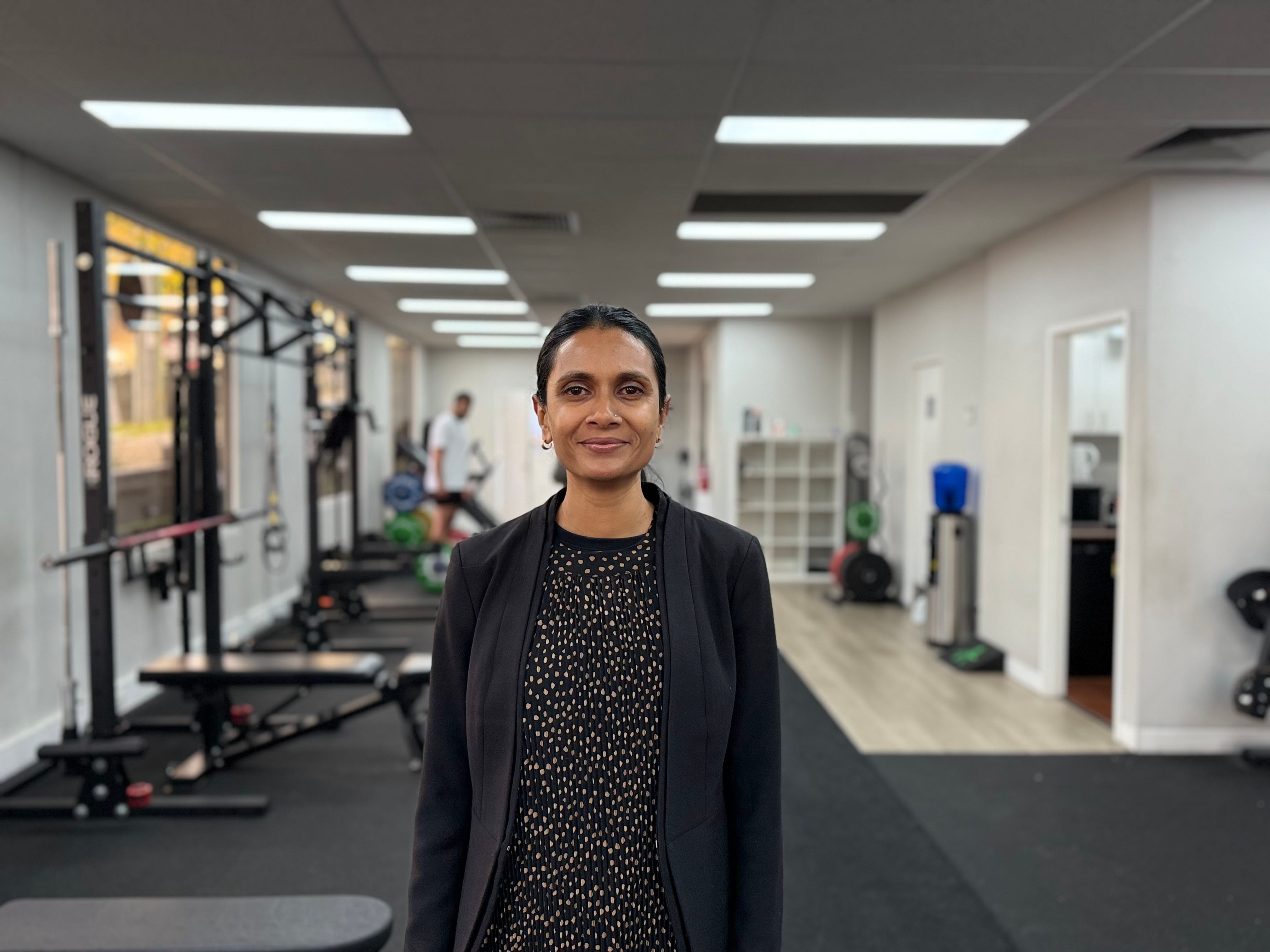
We are excited to announce the launch of occupational therapy services at Activate Allied Health. Our newest team member, Shabina, is a dedicated Occupational Therapist who brings a warm, client-focused approach to her work. She supports individuals in developing skills for greater independence in everyday life, whether at home, school, or work.
Occupational therapy appointments are now open at our Balwyn North clinic. To learn more or book a session, please visit activatealliedhealth.com.au.
MS Walk, Run + Roll
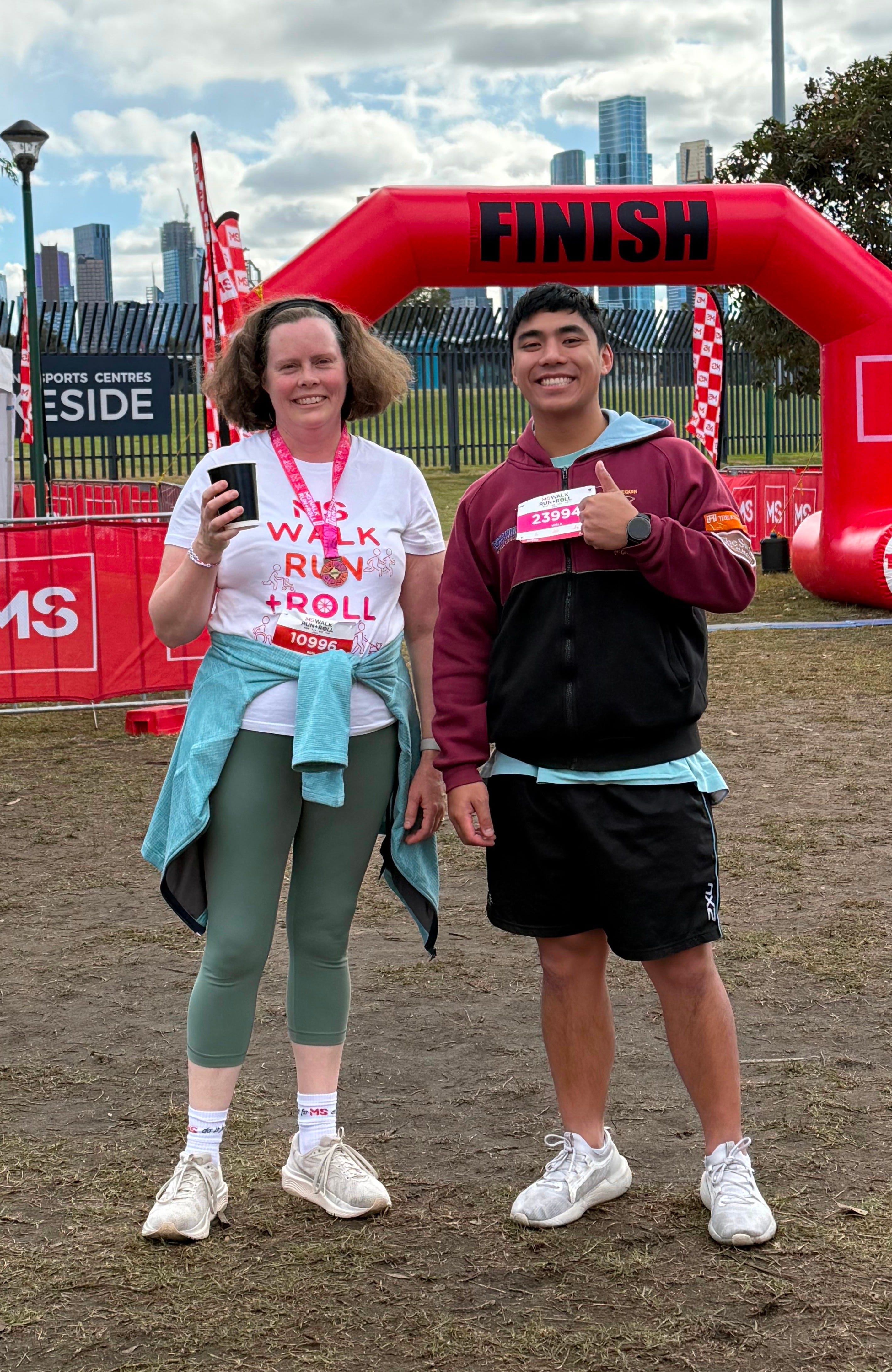
We had an incredible day at the MS Walk, Roll and Run event. We are so proud of everyone, especially our team members, who participated and supported this important cause.
A very special mention goes to our amazing client Liz, who ran 5 kilometres alongside her Exercise Physiologist, Quinton. Liz was diagnosed with MS in 2014 and never imagined she would run again. Through her commitment and Quinton’s guidance, she has achieved something truly inspiring. Her journey is a powerful reminder of what is possible with support, perseverance and belief.
We are also thrilled to share that, thanks to your generosity, we raised a total of $1,569. Every donation helps make a difference in the lives of people living with MS, and we are incredibly grateful for your support.
Thank you for cheering us on, for donating, and for helping us raise awareness. Together, we are making an impact
Client Spotlight - Bill
Shout out to one of our clients in our Activate community, Bill. Bill has been training at Activate weekly for 6 months with Exercise Physiologist Rosh.
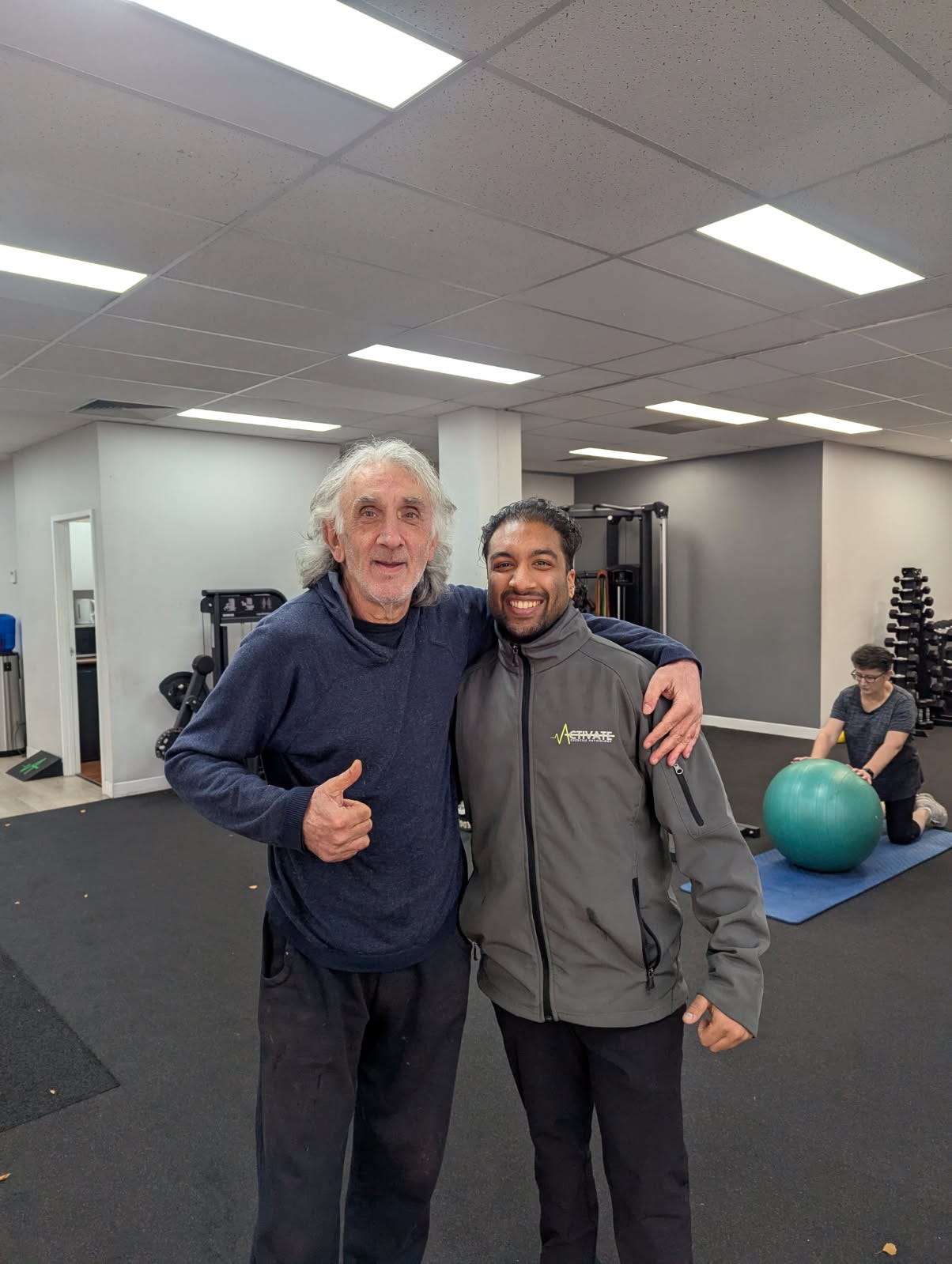
Bill began his journey with Activate in January this year, working closely with our Exercise Physiologist, Rosh. At first, he wasn’t sure if the clinic setting would suit him but over the past five months, he’s grown to genuinely enjoy his sessions and has become a consistent and valued part of the gym community.
Living with schizophrenia and managing the effects of a past spinal cord injury, Bill’s willingness to step out of his comfort zone has been inspiring to witness. He’s steadily increased his training from one session a week to three, and has never shied away from a challenge.
Through his commitment, Bill has made impressive progress in his walking tolerance, strength, and balance. These improvements have made a real difference in daily life. He’s now able to walk uphill with the groceries and reach cupboards in the home with confidence.
A loyal Geelong supporter, Bill is especially excited to attend his first footy game in years this June. We’re so proud of everything you’ve achieved so far, Bill. Keep it up - we love having you as part of the Activate community!
Did you know - Speech and language skills are foundational for communication, social interaction, academic success, and overall wellbeing.
Early intervention is important for language development, facilitating a smooth transition to school, enhancing social interactions, reducing frustration and supporting parental involvement.
Early intervention allows Speech Pathologists to provide specialised support to children who require further support in areas like speech production, language comprehension or communication.
Get to know… Sam!
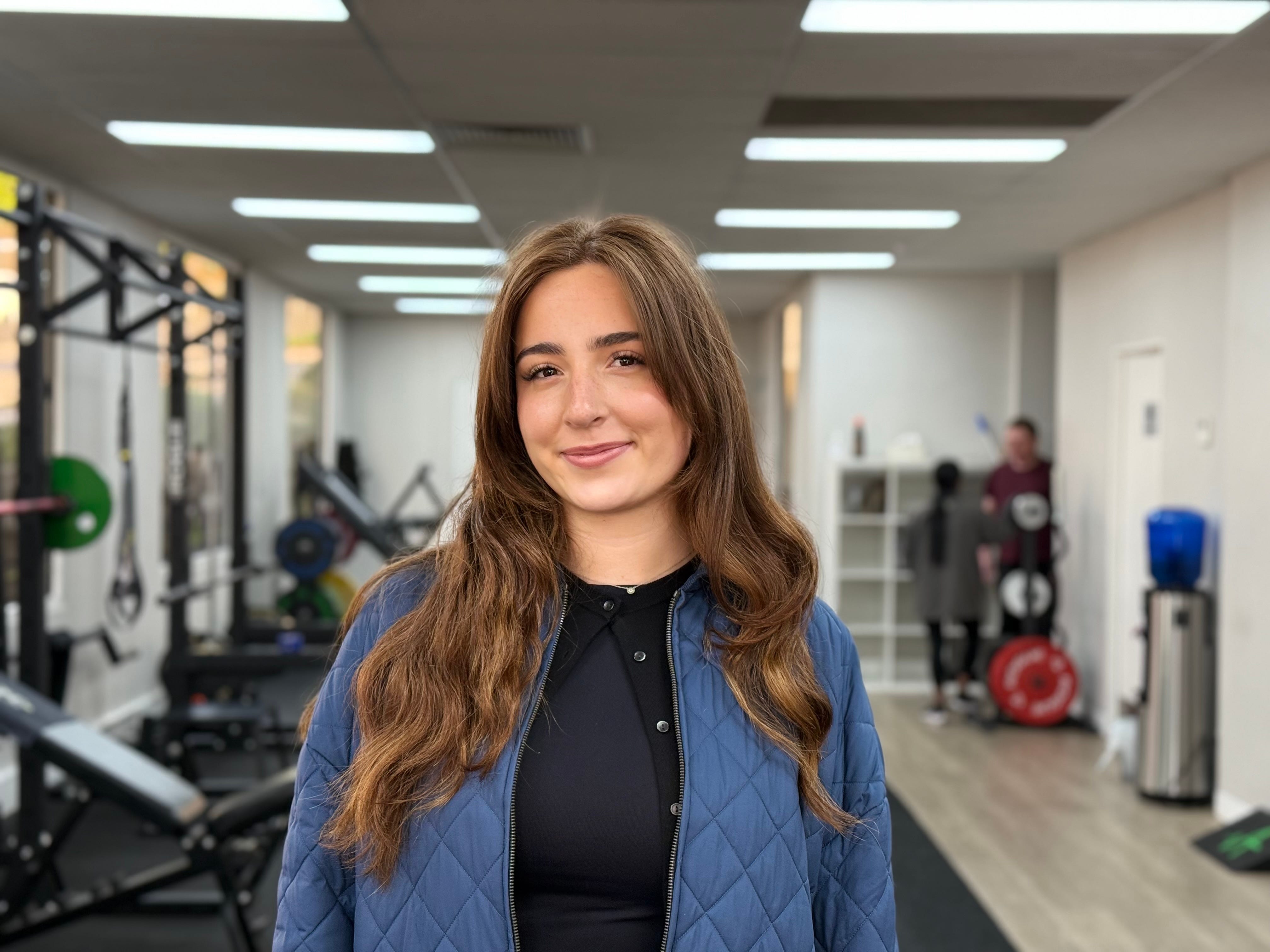
Sam is a Speech Pathologist at Activate and she is passionate about helping others to achieve their goals, and facilitate a positive allied health experience.
Sam graduated with a Masters of Speech Pathology from the Latrobe University and has experience in a range of Speech Pathology settings, including; community paediatric clinics, voice clinics, specialist schools and hospitals..
Things you might not know about Sam!
Sam loves watching Brooklyn Nine-Nine and is always on the lookout for foreign TV shows to add to the list
Sam’s favourite food is her Mum’s Lasagne which has perfect consistency and the best Bechamel sauce
Sam loves playing netball and has been playing since she was 11. She still plays socially once per week.
The Knowledge Hub
5 min guide to what we are learning about this month (click the picture below to read more):
Thanks for reading Activate Allied Health's Newsletter - We would love your feedback or thoughts!