
Edition 5 - The Activate Edge
The inside word on movement, communication, and better living. Stay up to date with the latest in exercise physiology, speech pathology, and health science.

Edition 5 - May 2025
Welcome to the fifth edition of the Activate Edge!
The team at Activate HQ is excited to connect with our community in a whole new way. Each month the team will look to bring to you in behind closed doors to the world of Allied Health.
This month check out:
Our feature blog on Osteoporosis
An update on our Speech Pathology Groups
A Client Spotlight with … Paul!
Get to know our very own Janine!
As always we would love your feedback and want to here more from you.
The 3 Best Exercises for Osteoporosis Backed by Science
Osteoporosis is often called a “silent disease” because bone loss happens gradually—and without symptoms—until a fracture occurs. But while that might sound discouraging, there’s good news: you can actively build stronger bones through the right type of exercise.
Let’s explore the three best forms of exercise for bone health, based on the latest research.
🏋️♀️ 1. High-Intensity Resistance Training
Why it works:
Wolff’s Law tells us that bones adapt to the stress they experience. Resistance training—especially at higher intensities—places controlled mechanical load on your skeleton, prompting bones to become denser and stronger.
A study in Osteoporosis International found that postmenopausal women who did high-intensity strength or power training saw improvements in their bone mineral density (BMD), particularly in the spine and hips. Notably, power training (involving faster, explosive movements) had slightly better results for maintaining BMD than slower, heavy strength work (von Stengel et al., 2007).
Examples:
Weighted squats
Leg press
Dumbbell step-ups
Deadlifts
Tip: Work with a health professional to learn proper technique and progress safely.
🦵 2. Impact or Jump Training
Why it works:
Bones love a challenge—and impact activities like jumping provide just that. A 2021 meta-analysis revealed that multi-directional and high-impact loading exercises have a particularly positive effect on hip BMD in adults (Kistler-Fischbacher et al., 2021).
However, jumping should be done carefully and is best for those at lower risk of fracture or under professional guidance.
Examples:
Jump squats
Hopping side-to-side
Box jumps
Jump rope (low repetitions to start)
🧠 3. Short, Heavy Bouts with Rest
Why it works:
Here’s something fascinating: your bones get “bored.” After about 100 repetitions of a repetitive load (like jogging), they stop responding. This is called mechanosensory saturation (Schoenau & Frost, 2002). But with rest, bones reset and regain sensitivity to loading.
This explains why powerlifters—who lift heavy with long rest breaks—often have excellent BMD. Their training gives bones a strong stimulus and the recovery time to adapt.
Try:
Heavy squats or deadlifts
Overhead presses
Lift-rest-repeat: long rests (2–5 minutes) between sets
Personalise the Approach
While these strategies are highly effective, not everyone can safely perform high-impact or high-intensity exercises—especially if you have joint pain, mobility issues, or a history of injury.
That’s where a qualified Exercise Physiologist can make all the difference. They’ll tailor a bone-loading program that’s safe, sustainable, and aligned with your individual needs—ensuring you can gain the benefits without risking injury.
Final Thoughts
🦴 Bone health isn't just about preventing fractures—it's about maintaining independence, mobility, and confidence as we age. The best approach? Combine high-load, high-impact, and properly timed rest into your routine.
And remember: bones adapt slowly but powerfully. You can build stronger bones at any age, with the right plan and guidance.
Want help getting started? Chat to one of our Exercise Physiologists at Activate Exercise Physiology who specialise in osteoporosis-safe programs.
What’s on - Speech Pathology Groups
In 2024 we were thrilled to launch our new Speech Pathology Groups.
The classes have now been up and running during the school holidays and it has been great to see the classes filling up. For the participants, the Activate Crafters Group Program included a tailored approach with the goal of fostering social communication skills, problem- solving and collaboration, and confidence in communication.
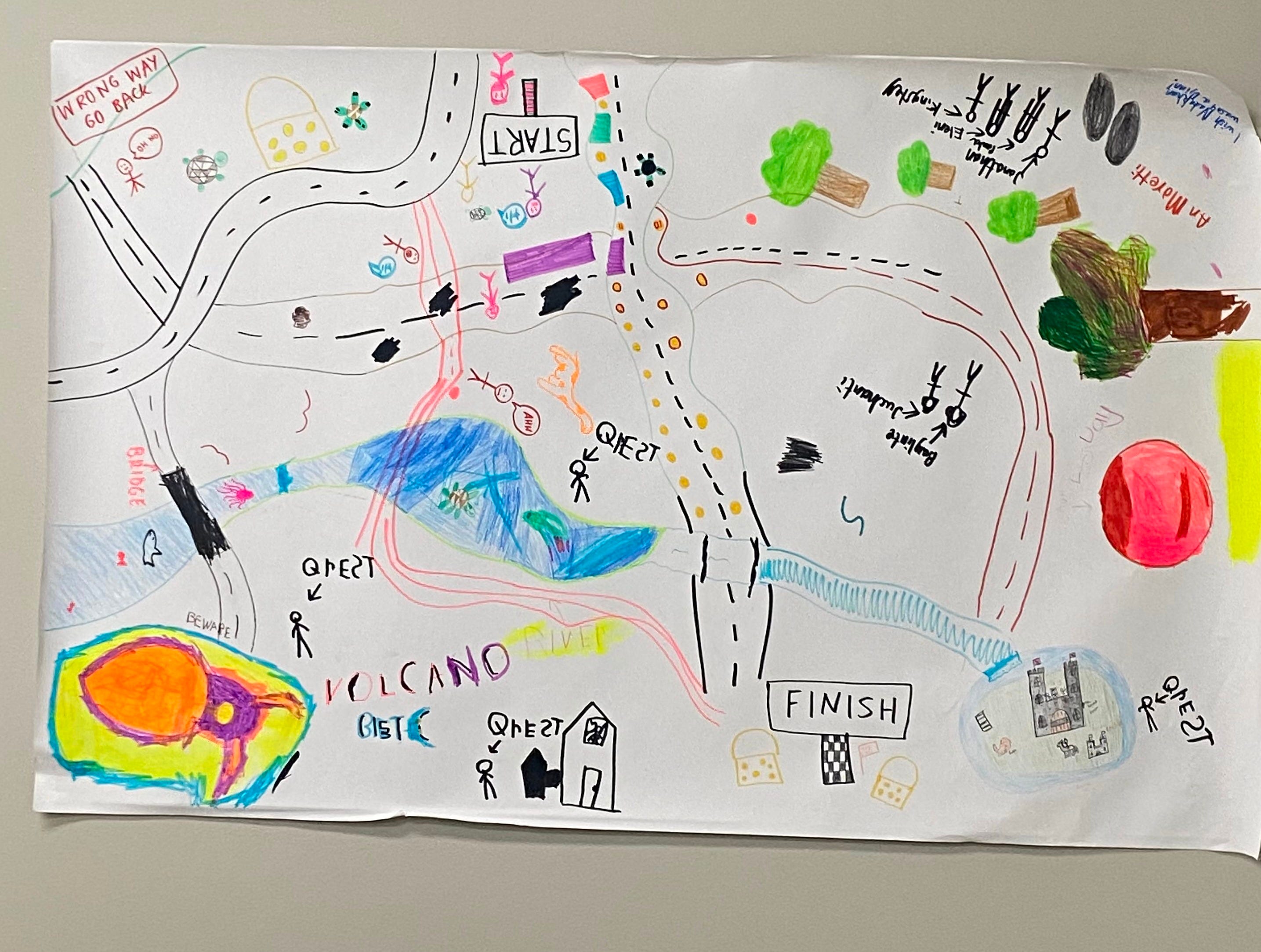
The Speech Pathology Groups are perfect for anyone wanting to boost their language and communication skills under the guidance of Certified Practicing Speech Pathologists through interactive gaming and creative activities.
If you are interested in joining one of our Speech Pathology Groups please speak with one of the team or email us at info@activate-ep.com.au.
MS Walk, Run + Roll
Sunday May 18, Albert Park Lake.
🎗️ We’re Walking, Running, and Rolling for MS! 🧡
The Activate Allied Health team is proud to be taking part in the MS Walk Run + Roll in Melbourne to support the 33,300+ Australians living with multiple sclerosis (MS).
💬 No one should face MS alone.
MS is a chronic and often invisible disease that affects the central nervous system, turning everyday tasks into daily battles. It impacts vision, mobility, sensation, and independence—and 3 in 4 people diagnosed are women.
That’s why we’re showing up, moving together, and fundraising to provide life-changing support services like MS Connect, MS Peer Support, and MS Employment Programs. Plus, every step brings us closer to better treatments and potential cures. 💪
🚶♀️🏃♂️🦽Want to support our team?
Visit our fundraising page here 👉 https://www.mswalk.org.au/fundraisers/ActivateAlliedHealth4282
Every dollar helps restore hope, connection, and quality of life for people living with MS.
Client Spotlight - Paul
Shout out to one of our clients in our Activate community, Paul. Paul has been training at Activate weekly for 2 years with Exercise Physiologist Olivia.
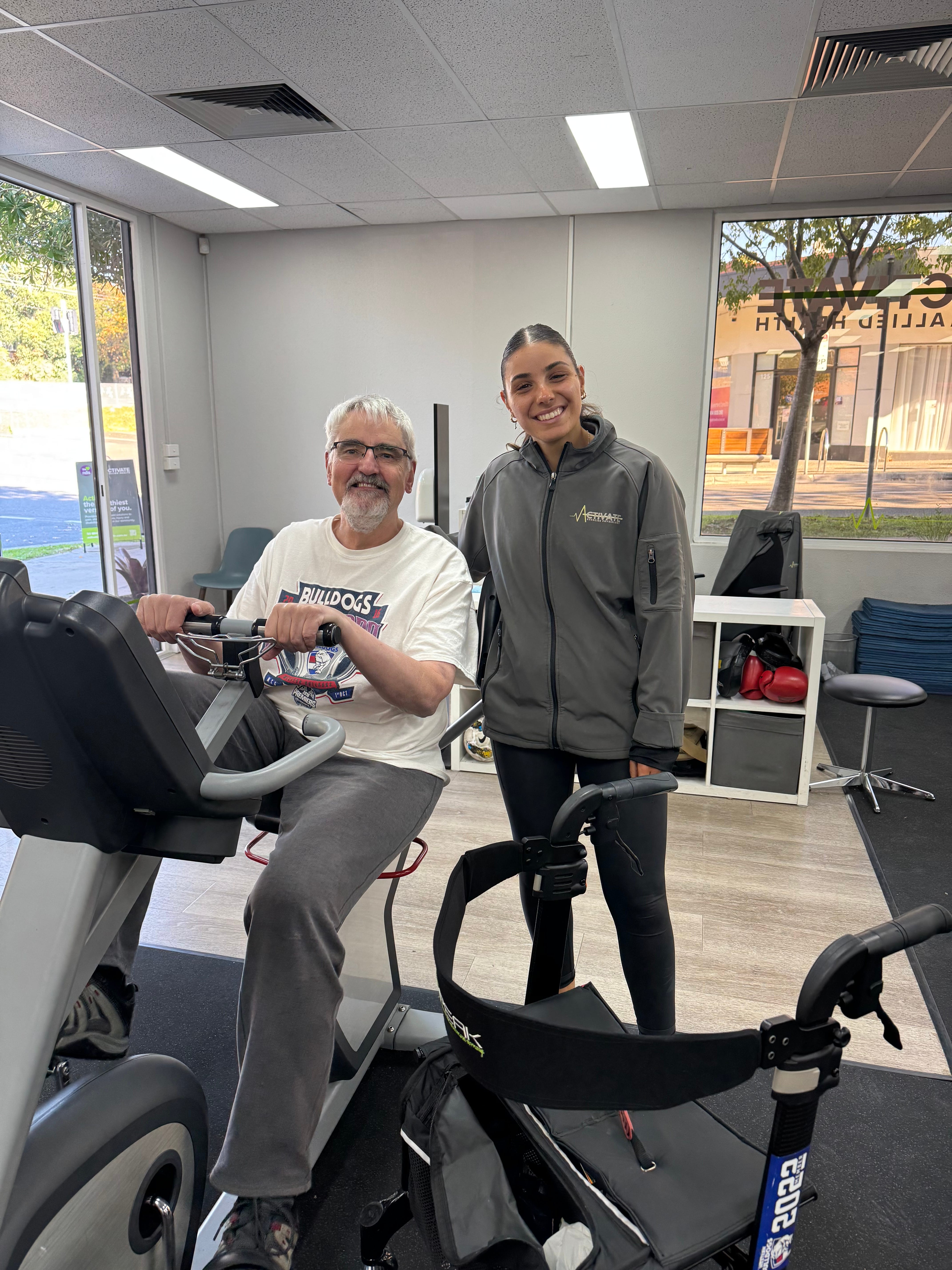
Paul has been training consistently at Activate twice a week for the past two years with our Exercise Physiologist, Olivia. Living with MS, Paul has shown incredible dedication and has made fantastic progress—improving his strength, walking endurance, balance, and even experiencing a significant reduction in back pain.
He always brings a positive attitude to the gym (and a good chat about how the Doggies went on the weekend!). Paul’s passions include painting and sports, especially golf. During his sessions, he often incorporates mini-golf as a fun and effective way to work on his balance and coordination.
Keep up the great work, Paul—we're proud to have you as part of the Activate community!
Did you know - Resistance training has many cardiovascular benefits for many people.
A systematic review on over 5000 people with high blood pressure found that resistance training was just as effective as aerobic training at reducing blood pressure.
Whilst resistance training can be an effective tool it is still recommended that aerobic training is completed to ensure all aspects of health are covered.
Get to know… Janine!
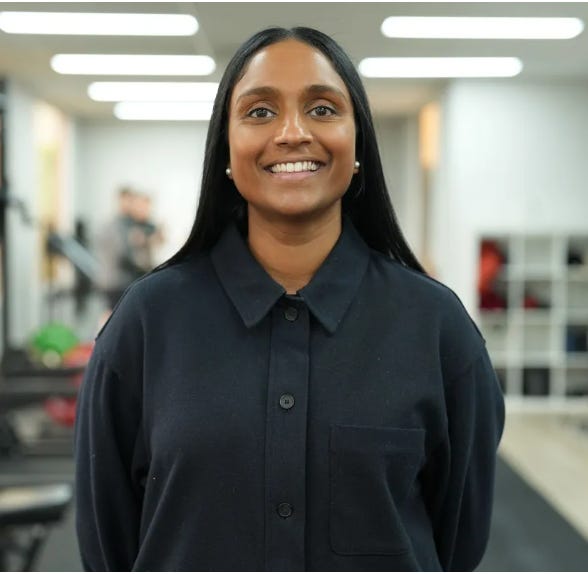
Janine is our Speech Pathology Clinical Lead at Activate and she is passionate about listening to the experiences of her clients and working with them to create positive outcomes.
Janine graduated with a Masters of Speech Pathology from the University of Melbourne and in 2023 was awarded the University of Melbourne Clinical Education Award for her work with mentoring students.
Things you might not know about Janine!
Janine loves romantic Korean TV shows especially ‘Crash Landing on You’
Janine’s favourite food is Sri Lankan rice and beef curry (Dahl)
Janine once paid for a meet and greet with the BackStreet Boys in 2015, one of the highlights of her life.
The Knowledge Hub
5 min guide to what we are learning about this month:
Thanks for reading Activate Allied Health's Newsletter - We would love your feedback or thoughts!