
Edition 3 - The Activate Edge
The inside word on improving movement, reducing pain and living longer. Keep up with the latest in exercise physiology and sports science with our thoughts on emerging trends and innovation monthly.

Edition 3 - December 2023
Welcome to the third edition of the Activate Edge!
The team at Activate HQ is excited to connect with our community in a whole new way. Each month the team will look to bring to you in behind closed doors to the world of Exercise Physiology and Allied Health.
As the year winds down, we want to extend a heartfelt thank you to everyone in our Activate community. Your dedication, energy, and stories continually inspire us. As we step into the holiday season, we wish you all moments of joy, relaxation, and safe celebrations. Here’s to a fantastic year we’ve had together, the support from your and our community and to the exciting times ahead!
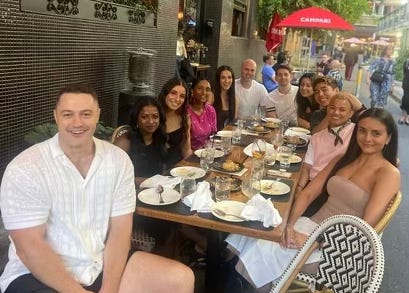
This month check out:
Our feature blog from Jack Hoffman on Rethinking Pain in Exercise
An update from our awesome Christmas Party Fundraiser
A Client Spotlight with a little dynamo… Kingsley!
Get to know our very own Nadunie!
As always we would love your feedback and want to here more from you.
Feature Blog: Rethinking Pain in Exercise - A Journey Beyond Discomfort with Jack Hoffman
As an accredited exercise scientist and exercise physiologist, I've journeyed through the intricate landscape of pain and exercise. My observations have led me to a provocative yet crucial discussion point: the often exaggerated response to pain in exercise settings. This blog aims to delve into this notion, inviting reflection and professional discourse.
A Personal Observation: The Startling Revelation
Let me start with a compelling example from my practice. A client, let's call them Alex*, experienced chronic knee pain. They perceived this pain as a strict limitation, creating a mental blockade against certain exercises. However, upon careful assessment and gradual exposure to specific movements, Alex's* pain diminished significantly. This transformation wasn't just physical – it was deeply psychological.
It begs the question: how often is our perception of pain more a barrier than the pain itself?
Decoding Pain in Exercise: More Than Just a Signal
Pain in exercise is often a complex interplay between physical sensation and psychological response. It's not merely a signal from our bodies, but also a reflection of our mental state. Studies suggest that the perception of pain can be influenced by factors like emotional state, past experiences, and even cultural background. Recognizing the subjective nature of pain can help us approach it more constructively. For clients, this means learning to differentiate between harmful pain and discomfort that signals growth. For practitioners, it involves guiding clients through this understanding and helping them build resilience.
Psychological Barriers: Fear, Mental Blocks, and Guarding
The guarding response, while protective, can sometimes exacerbate issues by creating a cycle of fear and avoidance. This psychological barrier not only hampers physical recovery but can also lead to a decreased quality of life. The fear-avoidance model shows that fear of pain can lead to avoidance behaviors, ultimately resulting in more pain and disability. To break this cycle, both clients and practitioners should focus on graded exposure to feared activities, cognitive restructuring to address unhelpful beliefs about pain, and relaxation techniques to reduce overall stress and tension.
Navigating Discomfort: When to Push, When to Pause
The decision to push through pain or to pause and rest is nuanced and should be made carefully. Understanding the difference between the pain of injury and the discomfort of muscular effort is crucial. While the former requires rest and medical attention, the latter is often a natural part of exercise adaptation and growth. Education on this distinction is key. Encouraging clients to listen to their bodies and seek professional guidance when unsure can prevent unnecessary setbacks and foster healthy progress.
From Observation to Action: Three Practical Strategies
Implementing practical, actionable strategies can empower individuals to better manage their response to pain in exercise. These strategies, including gradual exposure, mindfulness, and professional guidance, are grounded in research and practice. They provide a roadmap for individuals to navigate their pain and fears more effectively. Implementing these strategies requires commitment and consistency.
Gradual Exposure: Start with low-impact exercises and gradually increase intensity. This approach helps in understanding and differentiating pain from discomfort.
Mindfulness Techniques: Practicing mindfulness can aid in distinguishing between fear-induced pain perception and actual physical pain.
Professional Guidance: Consulting with exercise professionals can provide personalized strategies to navigate and manage pain effectively.
Concluding Thoughts: Beyond Pain, Towards Understanding
This discussion is not just about pain in the physical sense. It’s about understanding the interplay between our physical sensations and psychological responses. It's about challenging our assumptions and biases about pain and exercise.
In advocating for a nuanced view of pain in exercise, my goal is not to oversimplify or disregard the complexity of pain. It's to encourage a deeper, more comprehensive understanding and approach to exercise, pain management, and overall well-being.
What does this mean for you? A reflection
Reflect on your experiences. How has your perception of pain influenced your approach to exercise? We would love you to share your experiences below.
*Disclaimer: This blog post is intended for discussion and reflection, not as medical advice. Always consult with healthcare professionals for personalized guidance, especially in the presence of pain or injury.*
What’s on - Activate Christmas Party and Fundraiser
In our most recent annual fundraiser, we proudly supported Giant Steps—a remarkable school dedicated to educating and assisting children with autism in Australia. Witnessing the collaborative effort between Giant Steps' staff and our Activate team as we enthusiastically pushed the sled to generate funds was truly an amazing experience.
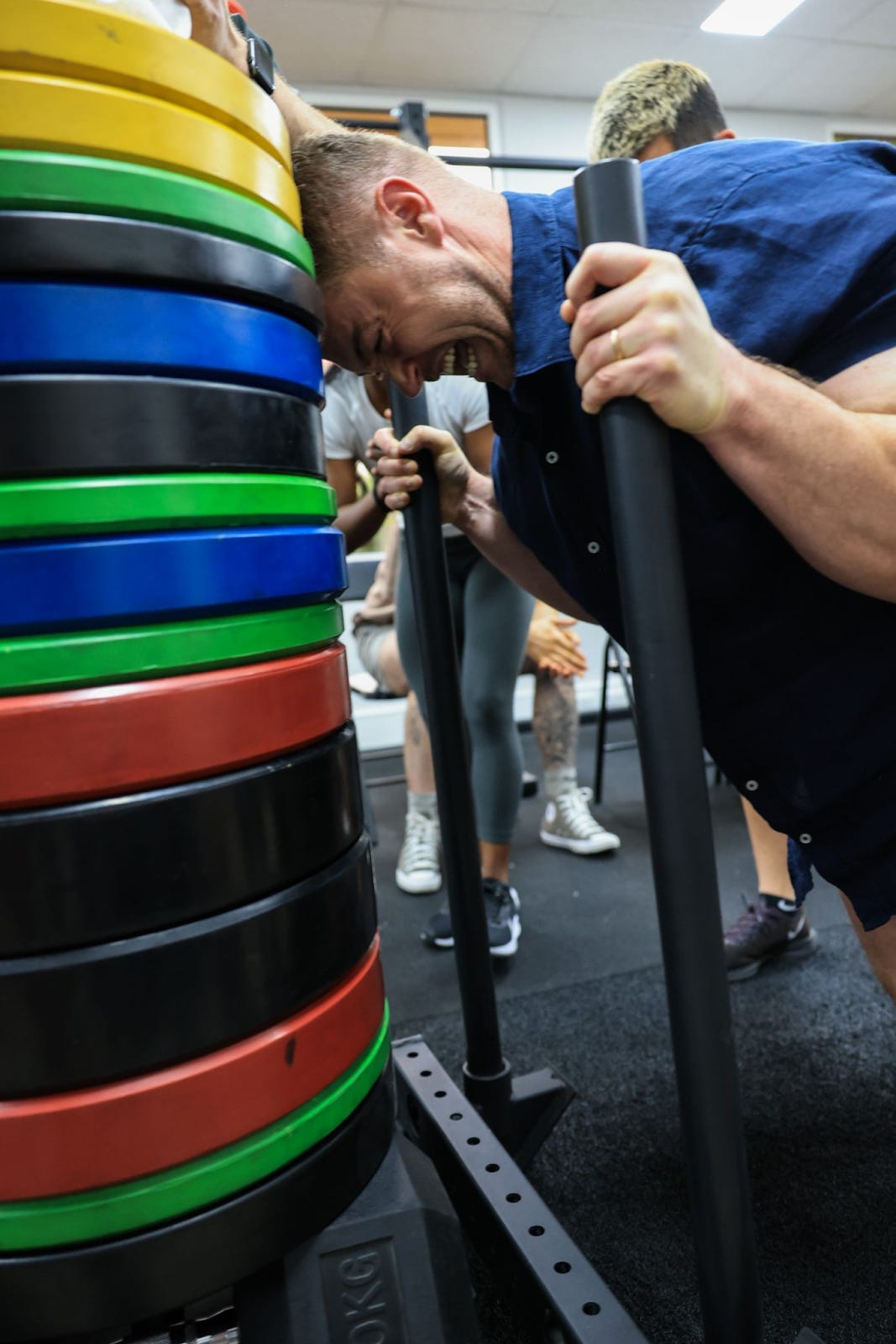
This year, we merged our annual Christmas party with the fundraiser. This allowed us to contribute to a noble cause but also created a unique setting for meaningful connections. This created an opportunity to engage in meaningful conversations and share food not only with the clients but also their families and staff outside of the allocated session times.
Being immersed in a community that builds such connections was a remarkable experience. The lively atmosphere, together with the loud cheers while pushing the sled, made for an unforgettable and rewarding event.
Client Spotlight - Kingsley
Meet an incredibly enthusiastic young participant! This little dynamo consistently arrives at our sessions with boundless energy and an infectious, ready-to-go attitude. His joy is evident as he engages in activities like the treadmill and various games, showcasing a genuine passion for movement.
What sets him apart is his love for the entire team at Activate. His social nature shines through, and he effortlessly connects with everyone.
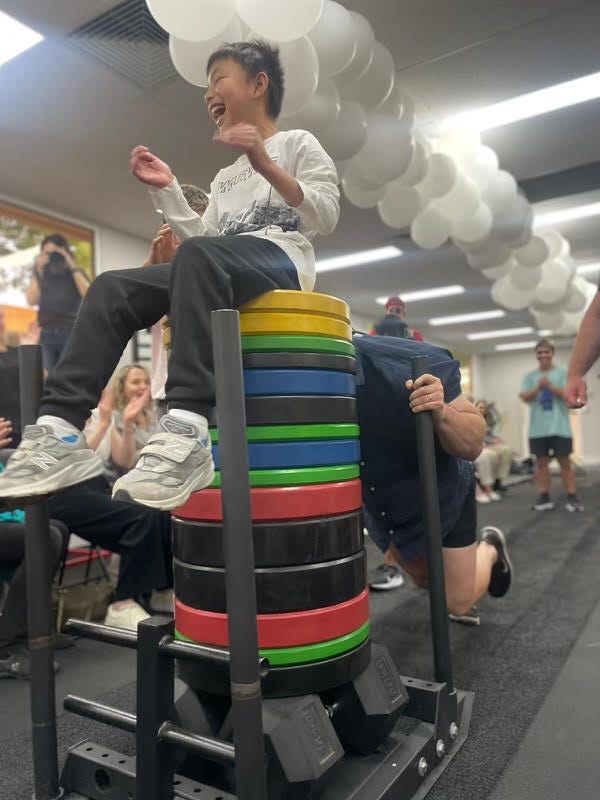
Outside the gym, he's a swimming enthusiast, and the progress he's made in the pool is notably attributed to his time spent working with us. His willingness to tackle any new exercise presented to him is very commendable.
But it's not just about the workouts – he brings a friendly atmosphere to the gym. You can count on a cheerful greeting from him whenever he's around. His positive presence adds an extra layer of warmth and friendship to our fitness community at Activate.
Did you know - A simple, cheerful greeting can be a powerful mood booster! When you say "hello" with a smile, it's not just being polite – it's scientifically shown to have an immediate positive impact on others. This small act of kindness can actually influence how people feel about their entire day. So, the next time you greet someone, remember you're potentially turning their day around for the better! 🌞👋
Get to know… Nadunie!
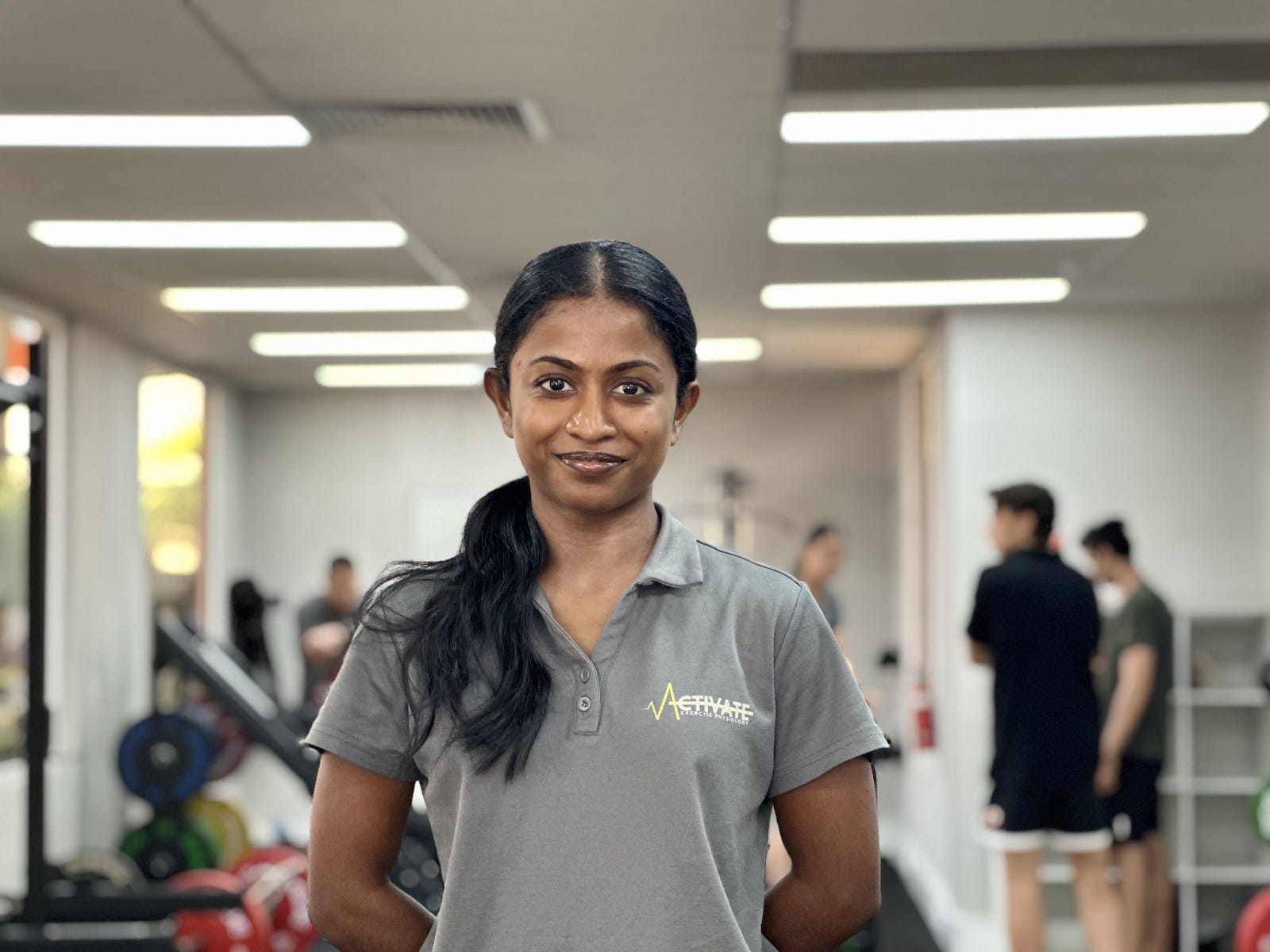
Get to know Nadunie better as she shares her hobbies and what she loves to do outside of work.
I dedicate the majority of my free time to the dance studio, where I find myself learning to be a better dancer each day as this is one of my greatest passions.
When work and dance take a back seat, you'll likely find me outdoors. Camping, going on leisurely walks, and exploring scenic lookouts are among my favourite activities.
Board games are a favourite pastime of mine, revealing my fiercely competitive side. I like the strategic challenges they present, and loves doing this with family and friends.
We love having you as part of the team Nadunie, maybe next year’s end of year function will have to include a dance-off!
The Knowledge Hub
5 min guide to what we are learning about this month:
Thanks for reading Activate Allied Health's Newsletter - We would love your feedback or thoughts!